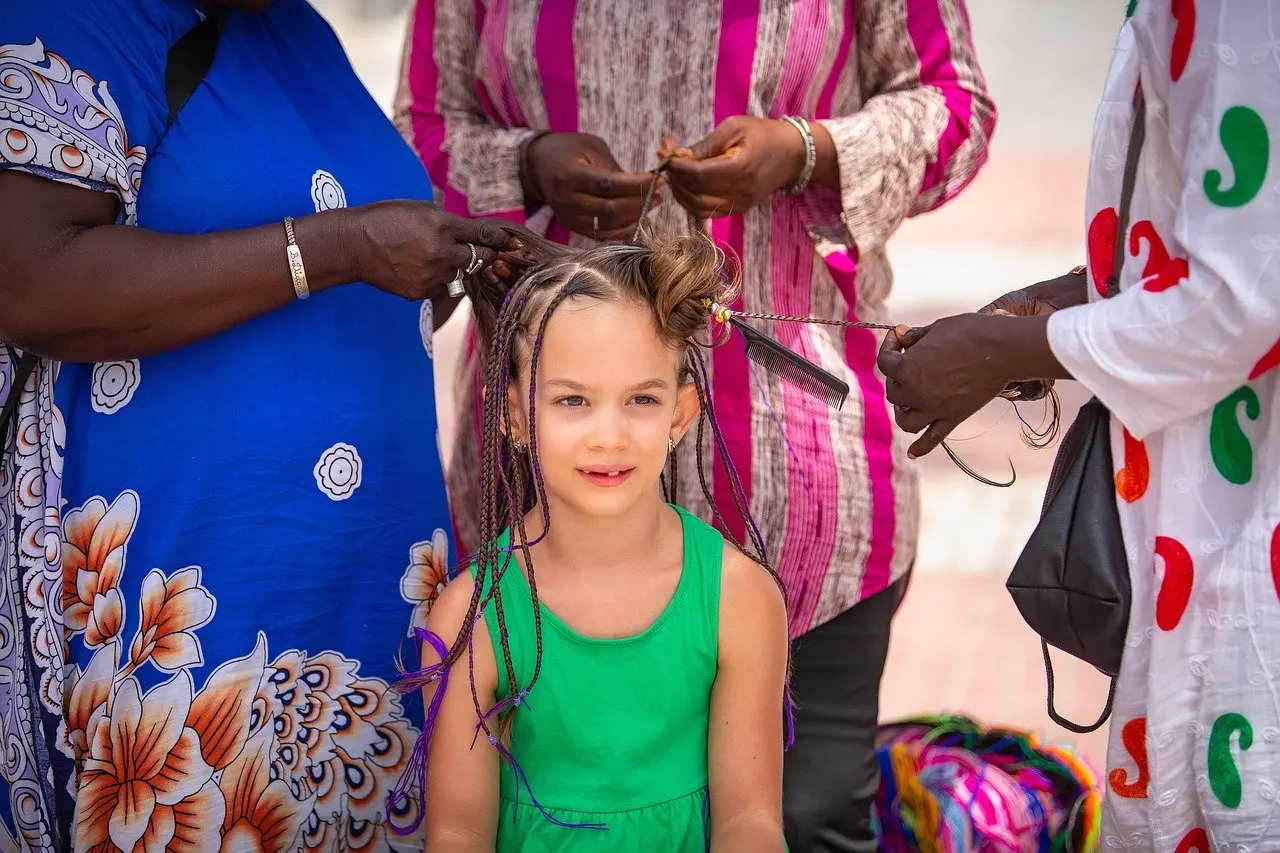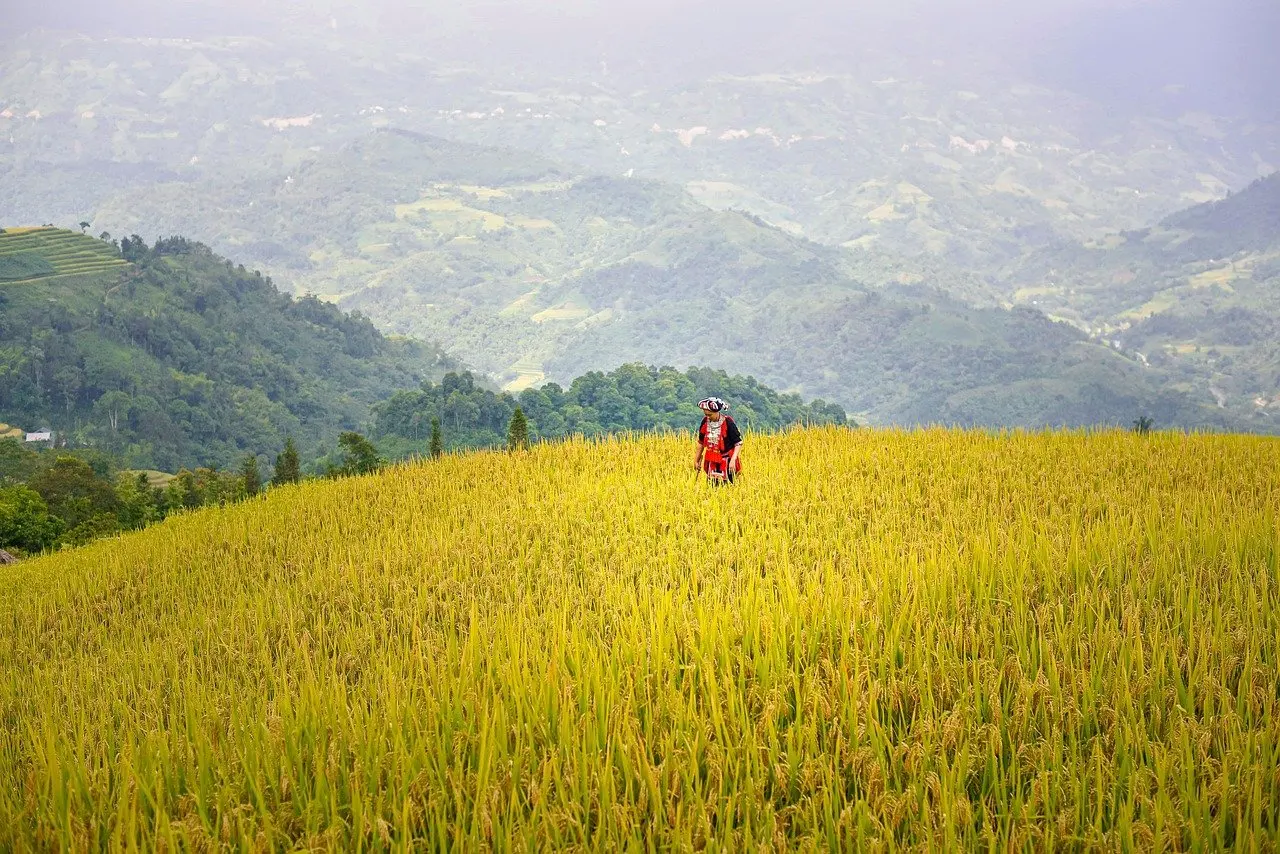
A woman who tends a cooperative’s coffee may still lack secure land rights. Women in agriculture in Rwanda work across the value chain, but land rights, credit and training shape their income.
This overview sits within the wider picture of women’s livelihoods in Rwanda. It looks at what women’s farm work involves and what holds income back, without going deep on any single crop.
Where women stand in Rwanda’s farm economy
The Women’s Empowerment in Agriculture Index (WEAI) baseline survey, conducted in 2019 for the Ministry of Agriculture and Animal Resources, gives a mixed picture. That is why one-line summaries about Rwandan women farmers tend to mislead.
Most women in the survey are as empowered as men in their households. Compared with other countries in the region, women in Rwanda have relatively greater access to financial services and a relatively lower time burden. Within Rwanda, however, women are significantly less likely than men to access financial services, take part in marketing or use extension services.
The practical reading is that standing in the household does not automatically become access to the services that raise farm income. Support for women farmers makes most sense where it targets that service gap: credit, market access and advisory support. Headline workforce shares change with each survey round, so the latest Labour Force Survey from the National Institute of Statistics of Rwanda is the place to check the current share of women in the farming workforce.
| Common assumption | What the evidence shows | What it means for support |
|---|---|---|
| Women who are empowered at home have the same farm opportunities as men. | Most women are as empowered as men in their households, yet they are significantly less likely than men to access financial services, marketing and extension services. | Aim at service access, not only household attitudes. |
| Rwandan women have no access to finance. | Women have relatively greater access to financial services than peers elsewhere in the region, but still less than men in Rwanda. | Credit is a real route, but it needs to reach women on equal terms. |
| A land title is only paperwork. | Among women cooperative members, 81.2% of those with confirmed land rights reported improved access to agricultural credit. | Registering land can open the door to credit. |
| Marriage status does not affect who controls the land. | Informal marital arrangements, reported by 26.8% of respondents, limit women’s land control. | Check how the household’s land is recorded, not only who farms it. |
The figures in the table come from the 2019 WEAI baseline survey on CGSpace and a journal study of women cooperative members in Eastern Rwanda.
Crops and daily farm work
Coffee shows the pattern of women’s farm work most clearly. According to Shared Interest, approximately 400,000 farmers in Rwanda earn a living from coffee production. Women play vital roles within that value chain, tending the crop and co-ordinating the harvest.
That is a different picture from the idea that women only supply unpaid hands. Tending a crop and organising its harvest are management tasks as well as labour. Coffee also operates under a zoning policy that the Rwandan government implemented in 2016 and that NAEB runs, so a woman’s choices as a grower sit inside a national framework.
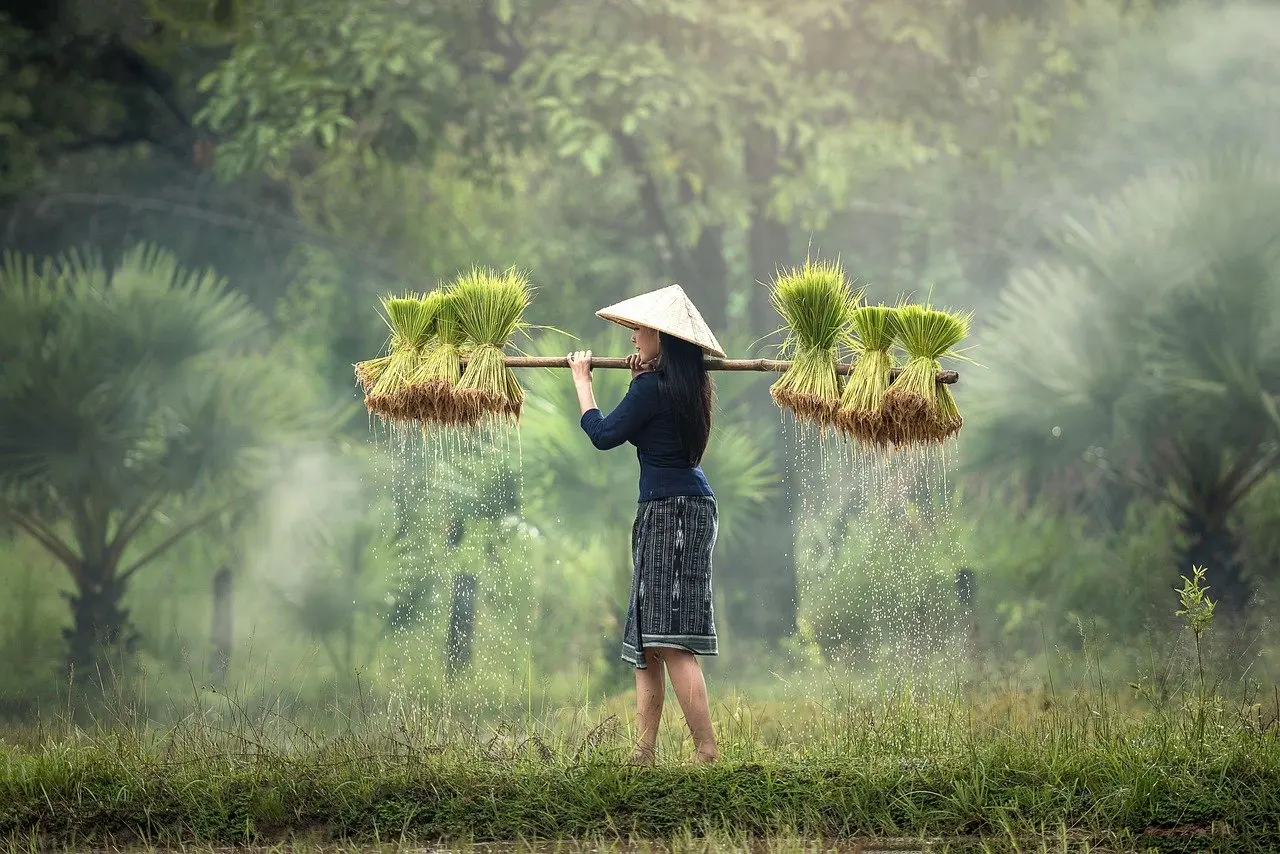
The WEAI findings on services are not tied to one crop. A woman growing coffee and a woman growing something else are both covered by the same gaps in finance, marketing and extension access, so the barriers described below apply broadly.
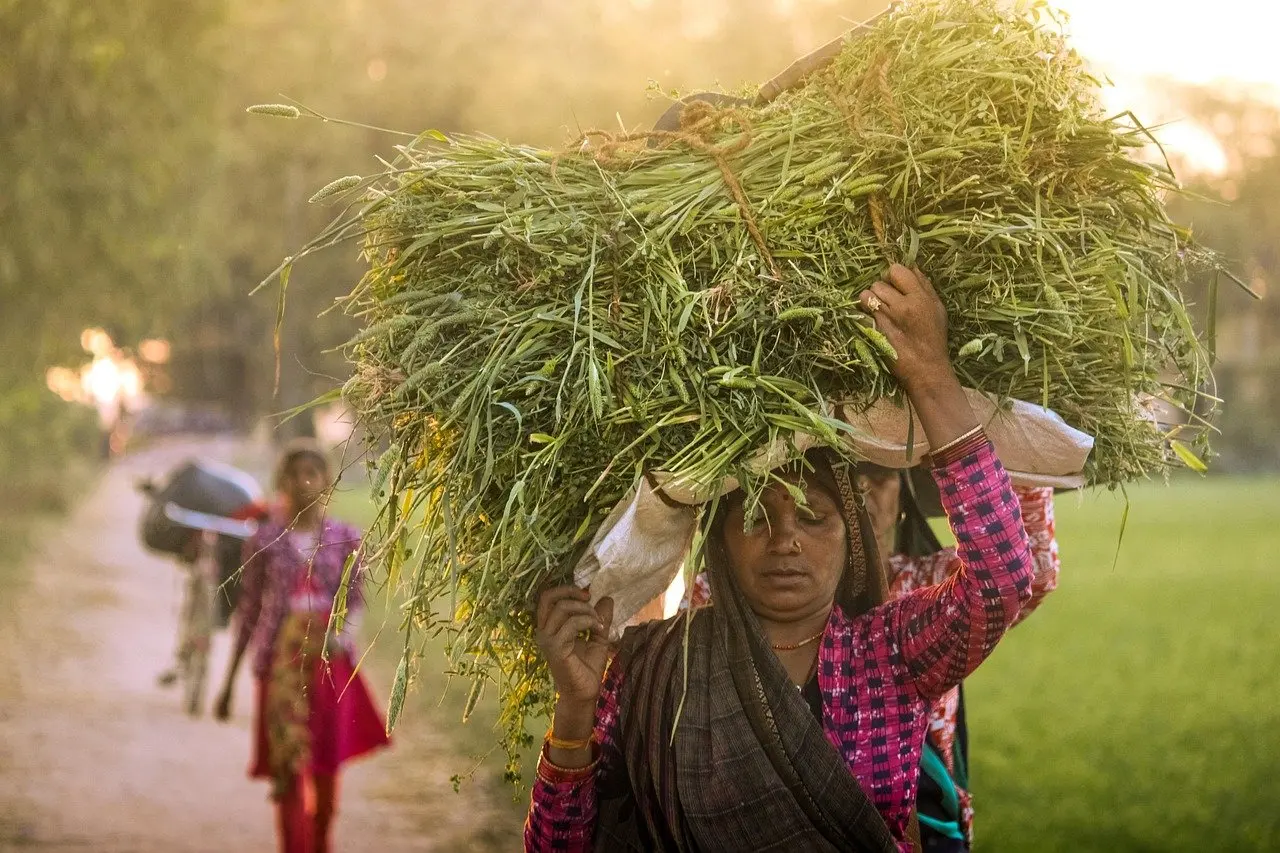
Tea and coffee cooperatives
Cooperatives are where many women’s farm roles become visible to buyers and to researchers. The cooperative example documented by Shared Interest shows several ways women take part.
- Tending and harvesting. Women look after the crop in the field and co-ordinate the harvest, which is the core of coffee production.
- Washing station jobs. The COCAGI cooperative has created direct jobs for women at its washing stations, according to Shared Interest.
- A women-only brand. COCAGI has also introduced a separate brand of coffee produced only by women.
- Research participation. A land-rights study involved 327 women cooperative members across seven districts in Eastern Rwanda, which makes cooperatives a rare source of detailed evidence on women farmers.
The women-only brand is one cooperative’s decision, so it shows what is possible rather than a national rule. Women joining a tea or coffee cooperative should look at what that particular cooperative offers in training, processing work and market access, because the benefits depend on those choices.
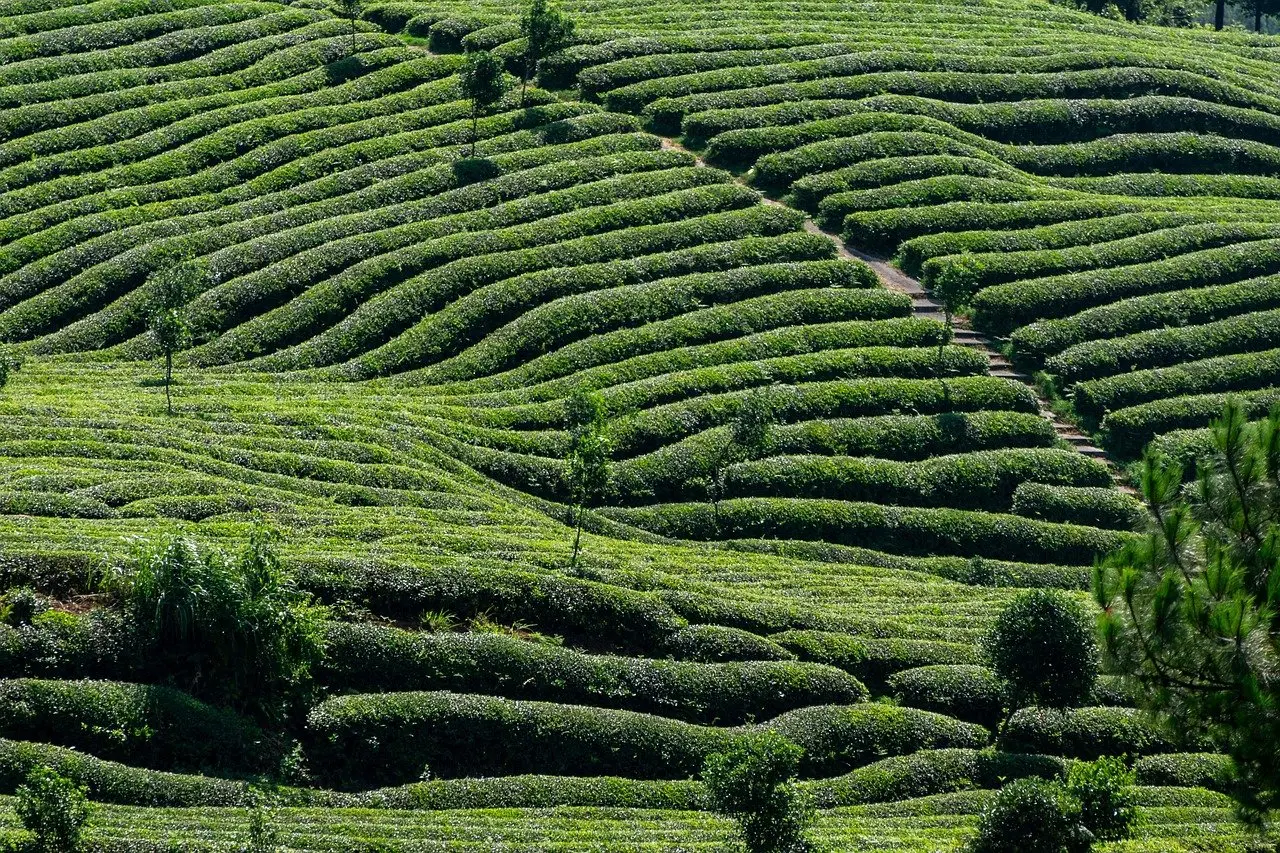
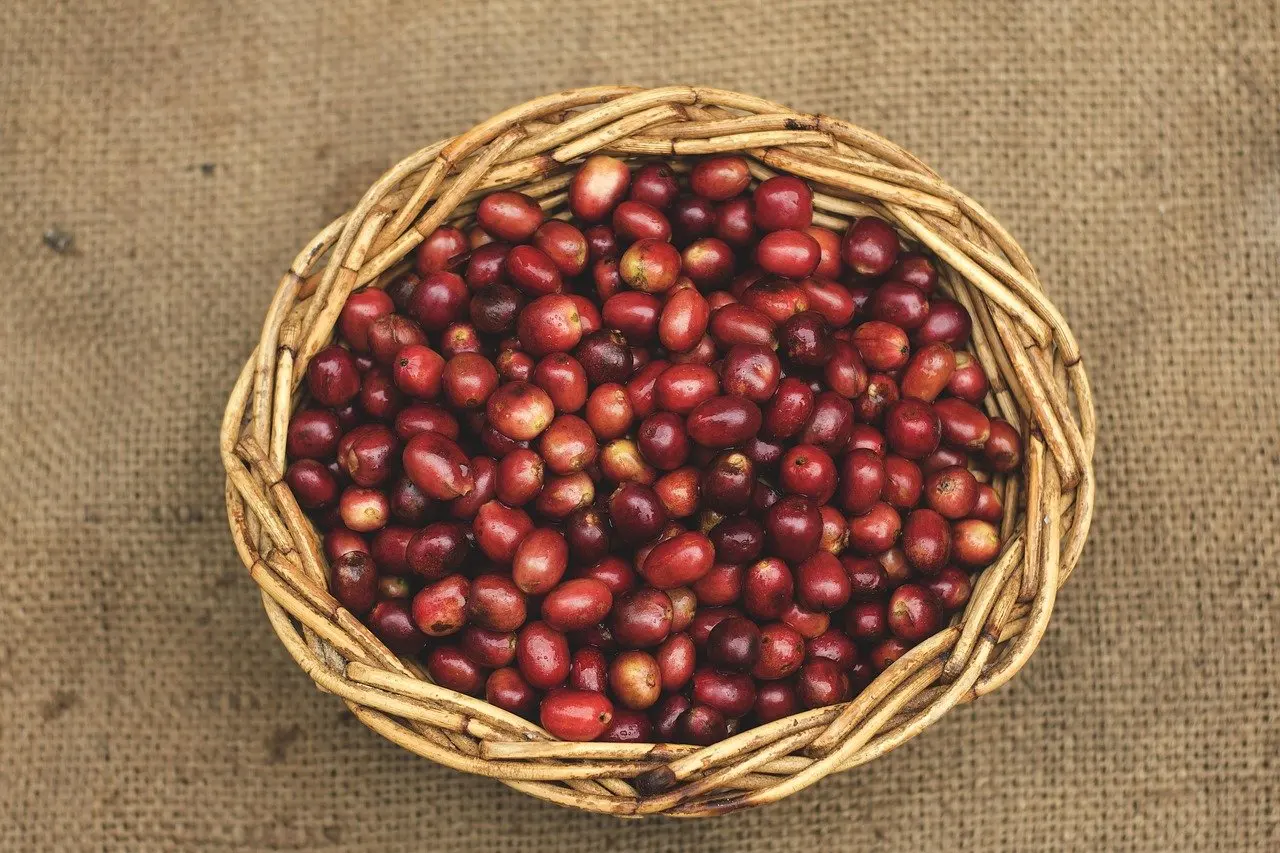
Further along the chain, the crop being tended and harvested ends up as ripe cherries that cooperative members deliver for processing.
Barriers that hold income back
The evidence points to a small set of linked barriers. Each one affects what a woman can do with the land she already works.
- Land ownership and informal marriage. Shared Interest lists a lack of opportunity for land ownership among the challenges female farmers face. The cooperative member study adds that informal marital arrangements, reported by 26.8% of respondents, limit women’s control of land.
- Finance. Rwanda compares well with its region, but women are still significantly less likely than men to access financial services. Loan and savings options are covered in microfinance for women in rwanda.
- Technical training. In coffee, women have worked harder to produce lower yields and quality because they lacked access to technical training, according to Shared Interest.
Time burden is the one area where Rwandan women compare relatively well with regional peers. Training has the most direct link to yield and quality in the coffee evidence, while land rights connect to credit and decision-making. A programme that fixes only one of these will leave the others in place.
Land rights and farm income
Land tenure is the barrier with the clearest measured effects. The study of 327 women cooperative members, selected across seven districts in Eastern Rwanda, compared women with and without confirmed land rights.
- Credit access. 81.2% of women with confirmed land rights reported improved access to agricultural credit.
- Decision-making. 76.4% of women with confirmed land rights experienced greater autonomy in land-related decisions.
- Inputs and advice. Women holding joint titles were significantly more likely to invest in quality inputs and to use extension services.
These findings describe how land access feeds farming income. A secure title makes credit easier to obtain, lets a woman decide what to plant and buy, and is linked to spending on better inputs and advisory support. Each of those is a step toward higher yields and better prices.
The shares are self-reported by cooperative members in Eastern Rwanda, so they show a pattern in that group rather than a national rate. The joint-title result is practical for couples: recording land jointly is associated with more investment in the farm, while informal marital arrangements leave control less secure.
Using this evidence
For a cooperative manager or programme designer, the strongest case is to combine services. Training without land security, or credit without market access, leaves part of the gap open. For an individual woman farmer, the first practical check is how the household’s plot is recorded, because the study links confirmed rights and joint titles to credit, autonomy and input spending.
Women who also want income away from the plot can look at crafts, which are covered in rwandan basket weaving women.
Frequently asked questions
| Question | Answer |
|---|---|
| Do women in Rwanda have equal access to farm services? | No. Women are significantly less likely than men to access financial services, marketing and extension services, even though they have relatively greater access to finance than peers elsewhere in the region. |
| Does a land title change what a woman farmer can do? | It is linked to better credit access and more say over land decisions in the Eastern Rwanda cooperative study. Joint titles are also linked to more investment in quality inputs and greater use of extension services. |
| Is there a women-only coffee brand in Rwanda? | The COCAGI cooperative has introduced a separate brand of coffee produced only by women, according to Shared Interest. |
| Where can the current share of women in the farming workforce be checked? | The latest Labour Force Survey from the National Institute of Statistics of Rwanda is the reference series for workforce shares. |