Quick answer: Microfinance for women in Rwanda starts with matching the loan to the business. Small group loans suit tiny trading start-ups, while larger plans call for comparing SACCOs, microfinance institutions and guarantee schemes on interest rate, repayment schedule and security.
This guide sits within the wider topic of women’s livelihoods in Rwanda. It helps a borrower decide which formal route to approach first, what to ask before signing and how to handle repayment trouble. The only lender terms quoted in full are those of a published group microloan program, which serve as a yardstick for any other offer.
How to choose a loan route
The right route depends on three things: how much money the business needs, whether the borrower can attend regular group meetings, and whether she can offer security. A woman who needs very little working capital and meets regularly with other women has different options from one who needs a larger sum for equipment or stock.

- Size of the need. A very small trading business gains little from a loan structured for a large enterprise, and a larger plan will outgrow a very small group loan.
- Group or individual. Group models pass part of the risk to the members, who hold each other to account. An individual loan suits a borrower who cannot commit to a fixed meeting day, but the lender will look harder at her own ability to repay.
- Security. A woman with no land title or valuable assets should ask early whether a guarantee scheme can stand behind her request.
- Total cost. The interest rate and any fees decide whether the loan pays for itself, so they come before any other term.
Women who are still deciding whether to start trading at all will find the groundwork in the guide to women entrepreneurs in rwanda. Once the idea is clear, the next step is to know which lenders exist.
The formal routes open to women
Four formal routes matter to most women borrowers: Umurenge SACCOs, microfinance institutions, guarantee schemes and group microloan programs. They overlap, and a borrower can move from one to the next as her business grows.
Umurenge SACCO loans
Umurenge SACCOs are community financial institutions located at sector level. They are the closest formal lender for most rural borrowers. A branch close to home makes frequent repayments and visits easier, so a SACCO suits a woman who wants a lender within walking distance. Ask the branch for its current interest rate, loan term and any savings requirement in writing before applying.
Microfinance institutions
Microfinance institutions in Rwanda are licensed lenders that serve people who are poorly served by commercial banks. They suit a borrower whose business has outgrown a first small loan and who can show some trading record. Compare at least a few of them on interest rate, repayment frequency and what happens after a missed payment, because these terms differ between lenders.
Guarantee schemes and the BDF
The Business Development Fund (BDF) runs a guarantee scheme aimed at borrowers who lack the security a lender normally wants. A guarantee does not replace a good business case. Its purpose is to help a lender say yes to a woman whose plan is sound but whose assets are thin. Ask the BDF or the lender directly which guarantee conditions currently apply and whether the scheme can be used with that particular lender.
Group microloan programs
Group programs lend small sums through a women’s cooperative group. They are the gentlest first step for a woman with no borrowing history, and the next section sets out one published example in full.
A published example: the group microloan cycle
The Rwanda microloan program run by AWHI shows how a small group loan is built, with its terms stated plainly. Its figures give a borrower a benchmark when another lender quotes different terms.
| Loan term | Published in the group microloan program | Planning use |
|---|---|---|
| Interest | Zero interest | The cost of this loan is the repayment of the principal only. Do not expect the same from other lenders. |
| Cycle length | 16 weeks (four months) | Choose a business whose income arrives well inside four months. |
| Repayment | Weekly payments to the women’s cooperative group | Budget for a fixed weekly amount and the day of the group meeting. |
The figures come from the AWHI microloan program page, which describes the loan as a zero interest initiative with weekly payments made to the women’s cooperative group as it meets regularly.
The model also relies on the group itself: AWHI states that the women hold each other accountable for their success individually. For a borrower this means support, because the other members know her business and meet weekly. It also means a missed payment is visible to the whole group, so this route suits women who are comfortable with that openness.
Interest rate and total cost
The interest rate is the price of borrowing, and it should be the first question put to any lender other than a zero-interest program. Ask for it in writing together with every fee, the repayment schedule and the total amount to be repaid by the end of the loan. A lender that cannot give these figures before signing is not a safe choice.
The zero-interest terms above belong to one program and should not be read as the normal price of a loan. Comparing an interest-bearing SACCO or microfinance loan with a zero-interest group loan makes sense only if the borrower also weighs loan size, because a very small loan cannot fund a larger business however cheap it is.

Before signing, read the repayment schedule against the business’s real cash flow. Weekly repayments need weekly income. A seasonal business, such as one selling a harvest, may fit a lender that allows a longer gap between payments better than one that collects every week.
Preparing a loan request
Lenders want to see that the money has a clear use and a likely way back. A simple written plan is enough for a small loan. It should name what the money will buy, how that purchase will earn income and when repayments will come from sales.
- The use of funds. Name the stock, seed or tool, not just a total amount.
- The repayment source. Show which sales will pay each instalment, and keep a margin for slow weeks.
- Existing business. A woman already trading can describe her current customers and sales, which strengthens a request.

Training can strengthen the request. AWHI organizes and delivers a 3-day business skills training program alongside its microloans, which prepares first-time borrowers to plan stock, pricing and repayment before the money arrives. A borrower approaching a SACCO or microfinance institution can ask whether similar training is offered or required.
Matching the loan to the use: farming and trade
A loan works best when it buys something that earns money soon and repeatedly. Stock for a market stall turns over quickly. Farm inputs earn only at harvest, so the repayment schedule has to wait for the crop. A farmer should therefore check that the first repayment falls after her expected income, or ask for a schedule that matches the season.
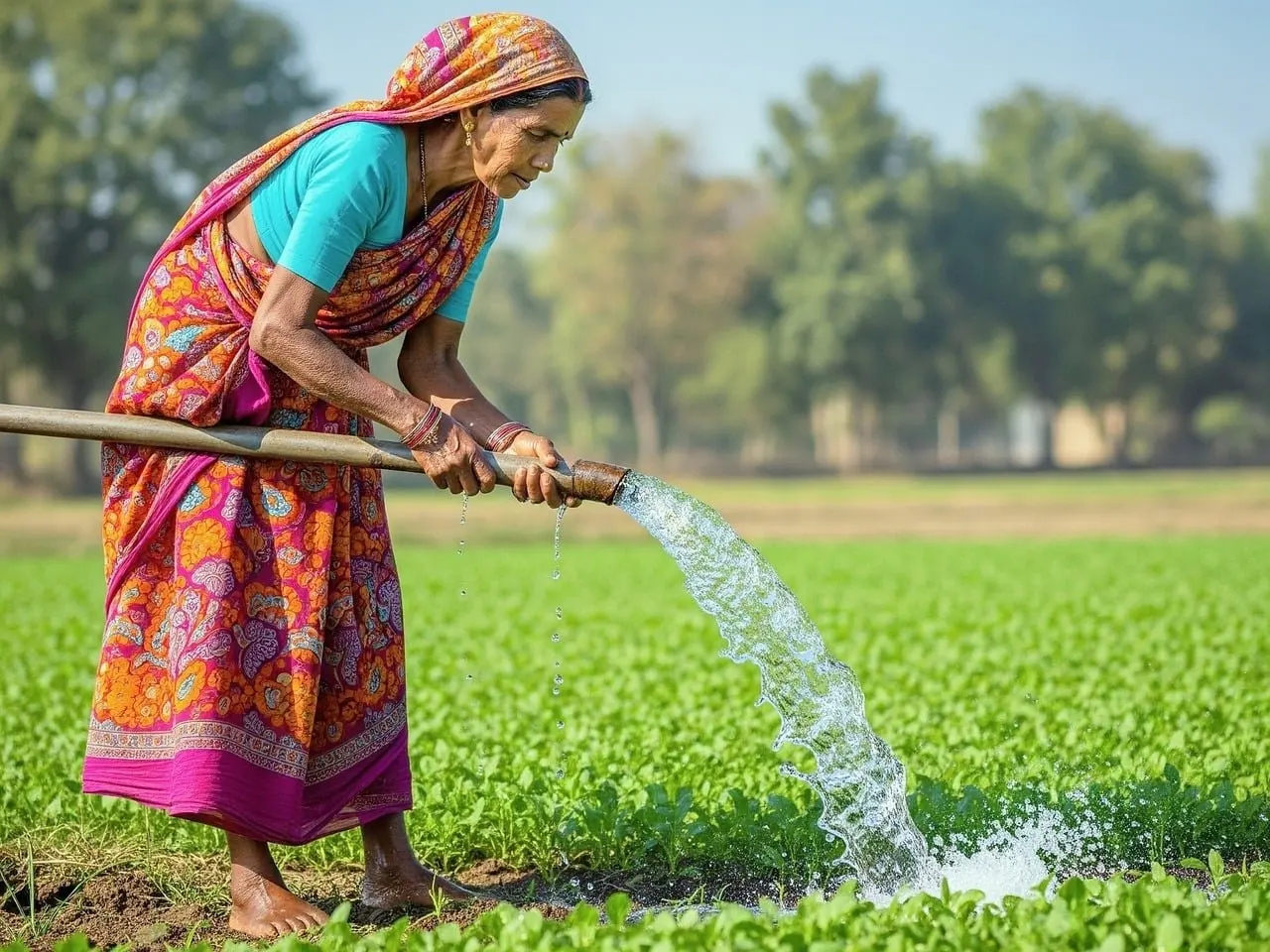
Readers whose income comes mainly from the land will find the wider picture in the guide to women in agriculture in rwanda, which covers the farming side of livelihoods that these loans are meant to support.
Troubleshooting repayment problems
Most repayment trouble starts with a mismatch between the schedule and the business’s income. Handle it early rather than waiting for the due date to pass.
- Check the schedule against sales. If weekly payments are heavier than weekly income, tell the lender before the first missed payment and ask whether the schedule can change.
- Raise the problem with the group. In a group program, payments go to the cooperative group each week, so members will notice a gap quickly. Speaking first keeps their trust.
- Avoid borrowing from one lender to repay another. Doing so stacks costs on a business that is already short of cash. Ask the first lender for time instead.
- Re-examine the business use. If the loan bought stock that sells slowly, adjust prices or the product before the next instalment falls due.
A borrower who repays on time builds a record that helps her next request, which is why completing a first small loan matters more than the size of the sum.
Frequently asked questions
What happens after a microloan cycle ends?
In the AWHI program the loan is returned to the borrowers by adding more capital to their existing business once the loan payment is completed, so a woman can grow what she already runs.
Does the loan size depend on where a woman lives?
In the AWHI program the loan amount is based on the need in the area where a woman lives, and the lender also considers her ability to repay, so two women in different regions may receive different sums.
Does a microloan come with business training?
Some do. The AWHI program organizes and delivers a 3-day business skills training program for its borrowers. For other lenders, ask directly whether training is offered before the loan is approved.