Rwandan basket weaving women have turned a coiled sisal-and-sweetgrass craft into cooperative work. Buy from sellers who name the weaver or cooperative, and judge the coils, pattern and lid.
This guide follows a basket from raw fibre to buyer within the wider picture of women’s livelihoods in Rwanda. The buying options are not ranked. They run from visiting weavers directly to shopping in Kigali, and the best fit depends on whether you want to meet the maker, compare many sellers or learn the skill.
Preparing sisal and natural dyes
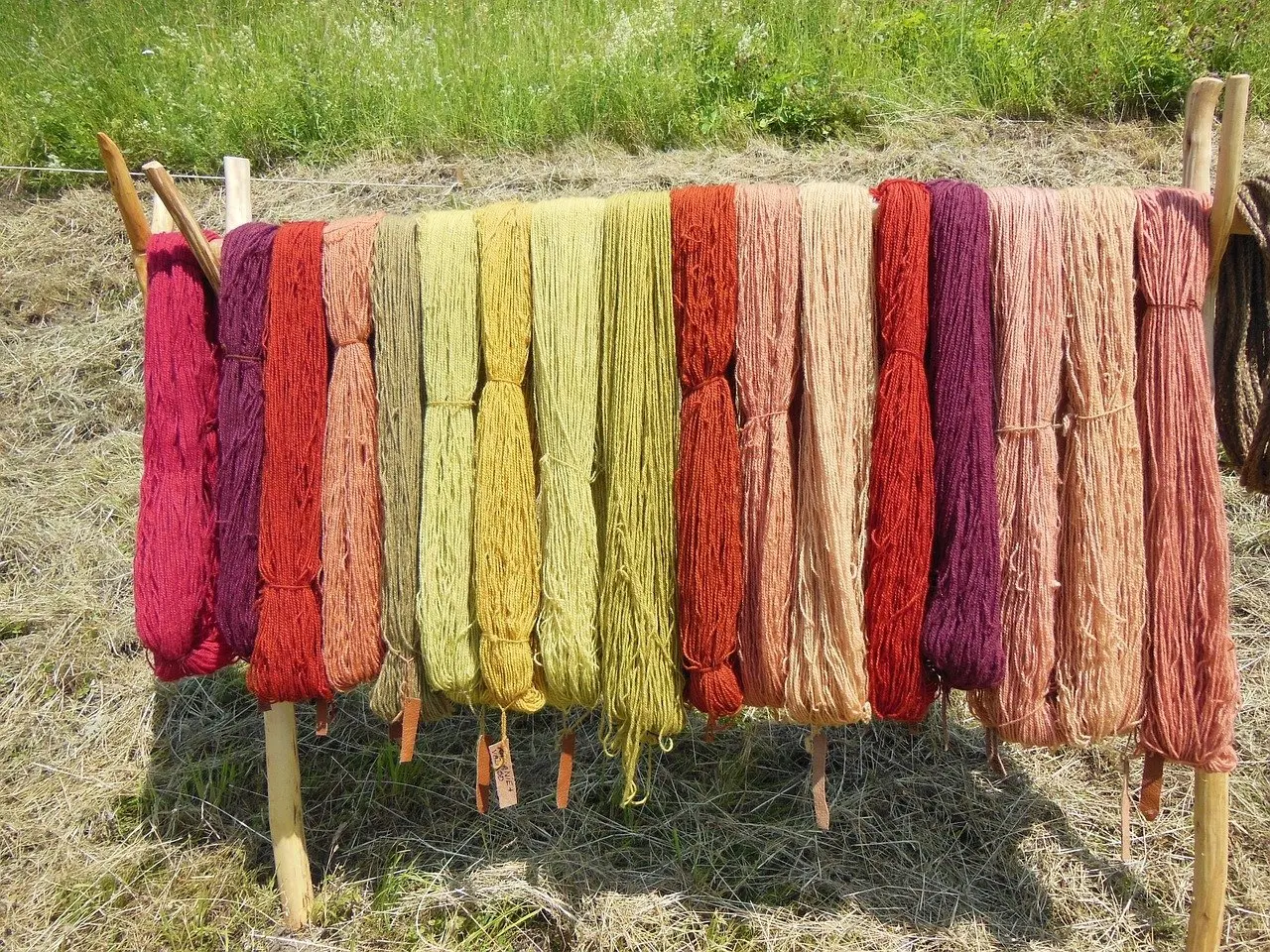
Every agaseke starts with fibre work done before any weaving. According to a Pan-African profile of master weavers, the women first extract the fibres from sisal leaves and dye them in black kettles. The sisal is then wrapped by hand around indigenous grasses and reeds. This preparation is why a finished basket is the product of several stages rather than one sitting.
Extracting and drying the fibre
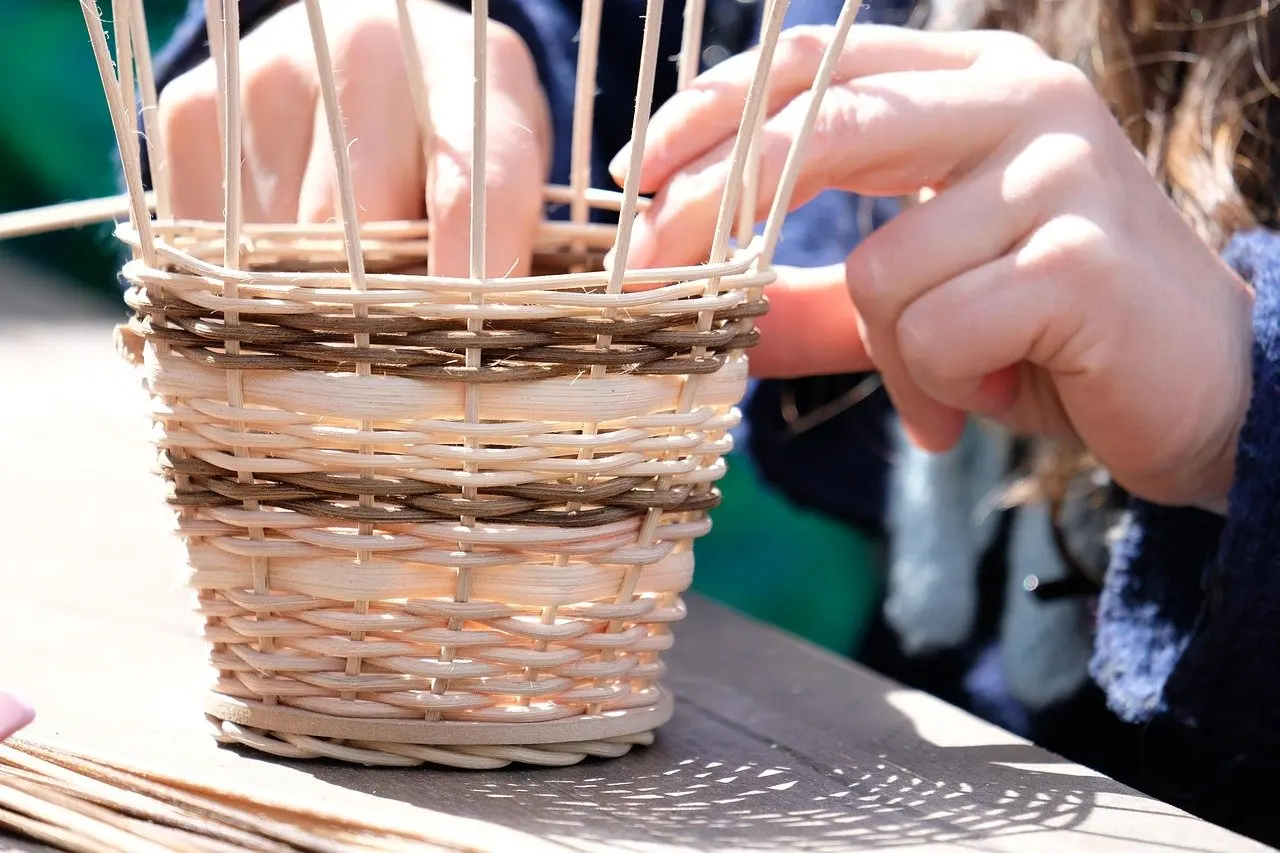
Fibre taken from the leaf has to be prepared and dried before it can be wrapped and coiled. Buyers should remember that this happens before weaving begins, because it explains why a hand-made basket carries more labour than its size suggests.
Dyeing with local plants
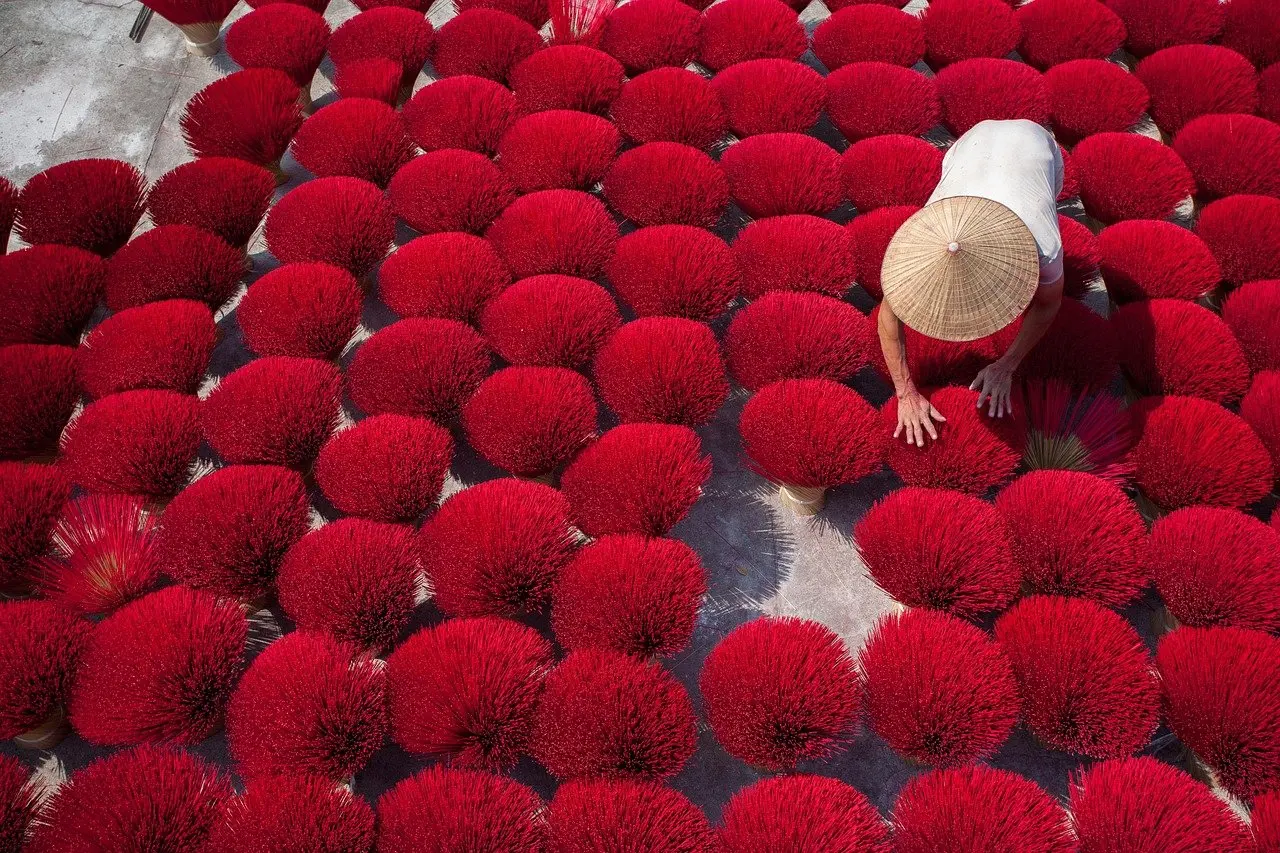
Colour comes from nature. African Wild Trekkers describes shades of black, brown, red and yellow produced through different natural dye processes using locally available plants. For a buyer, this means the dark geometric bands on an agaseke are dyed fibre, not printed or painted decoration.
Coiling and patterning by hand
An agaseke is built as a continuous coiled spiral, with sisal providing the main framework, according to the same craft overview. Decorative patterns are then added with sweetgrass and other natural fibres. The patterns are woven by hand without printed guides or templates, so no two baskets match exactly.
Time and skill
A skilled Rwandan weaver may spend between 20 and 40 hours completing a high-quality agaseke. Learning the basic weaving method can take days, but mastering complex patterns requires years of practice. The practical lesson for buyers is that a fine, tightly patterned basket represents days of one person’s work, and a very low price deserves a second look.
History and meaning of the agaseke
The agaseke is older than its modern fame. The Pan-African profile notes that Rwandan women have woven baskets for centuries, for use as food containers and at celebrations such as weddings and christenings. African Wild Trekkers adds that communities have used agaseke baskets as gifts, marriage offerings and symbols of respect. A basket bought today therefore belongs to a gift tradition, not only a souvenir trade.
From household gift to peace basket
The “peace basket” name belongs to a more recent chapter. Rwanda peace baskets gained international recognition during the early 2000s as weaving cooperatives connected local artisans with wider markets. After 1994, some cooperatives brought together women from different backgrounds, including survivors, according to the African Wild Trekkers overview. The Pan-African article also states that the peace basket features on Rwandan currency.
These sources describe shared weaving work and the basket’s symbolism. They do not support claims that any particular basket carries a personal message of reconciliation, so treat the “peace” label as the name of a craft tradition and a cooperative story, not a guarantee about an individual item.
Can basket weaving provide a steady income for women?
Basket weaving can supply income, but the evidence supports this only for cooperative-based work. African Wild Trekkers describes cooperative membership as providing many Rwandan women with reliable income and greater financial independence. The Pan-African article likewise says that weaving has allowed women to gain access to an income and stability.
What cooperatives add
Cooperatives supply training, a group of weavers and a route to buyers. Gahaya Links began by teaching a group of 20 women to weave. The 2021 Pan-African article says its network comprises over 4,000 weavers across Rwanda, split into some 52 government-funded cooperatives. Gahaya Links is described there as essentially a for-profit business based on female empowerment through fair trade. A group of this kind suits a weaver who wants training and a buyer pipeline, and it suits a buyer who wants a traceable supplier.
Limits to keep in mind
A single basket can take 20 to 40 hours of skilled work, so weaving rarely suits anyone who needs quick returns. Because the craft pays through cooperative structures, income claims should be read as descriptions of membership, not as promises for every weaver. Craft income also sits alongside other livelihoods: farming is covered in women in agriculture in rwanda, and ownership questions in women’s land rights in rwanda.
Where to buy Rwandan baskets ethically
Ethical buying means getting close to the maker, or to a seller who shows who made the item. The options below are ordered from direct contact with weaving groups to Kigali retail; none is ranked above another.
Weaving groups near Musanze
The Musanze area near Volcanoes National Park offers opportunities to visit local weaving groups, per African Wild Trekkers. The same source suggests allowing half a day for a cooperative visit, which gives enough time for demonstrations, conversations and choosing an authentic handmade basket. This suits buyers who want to watch the technique and speak to the weavers, but it takes the most time.
Nyamirambo Women’s Center
According to the Self Drive Rwanda craft market guide, Nyamirambo Women’s Center sells crafts and also offers classes and workshops where visitors can learn traditional skills such as basket weaving. It suits buyers who want to try the skill briefly before choosing a basket.
Caplaki Craft Village, Kigali
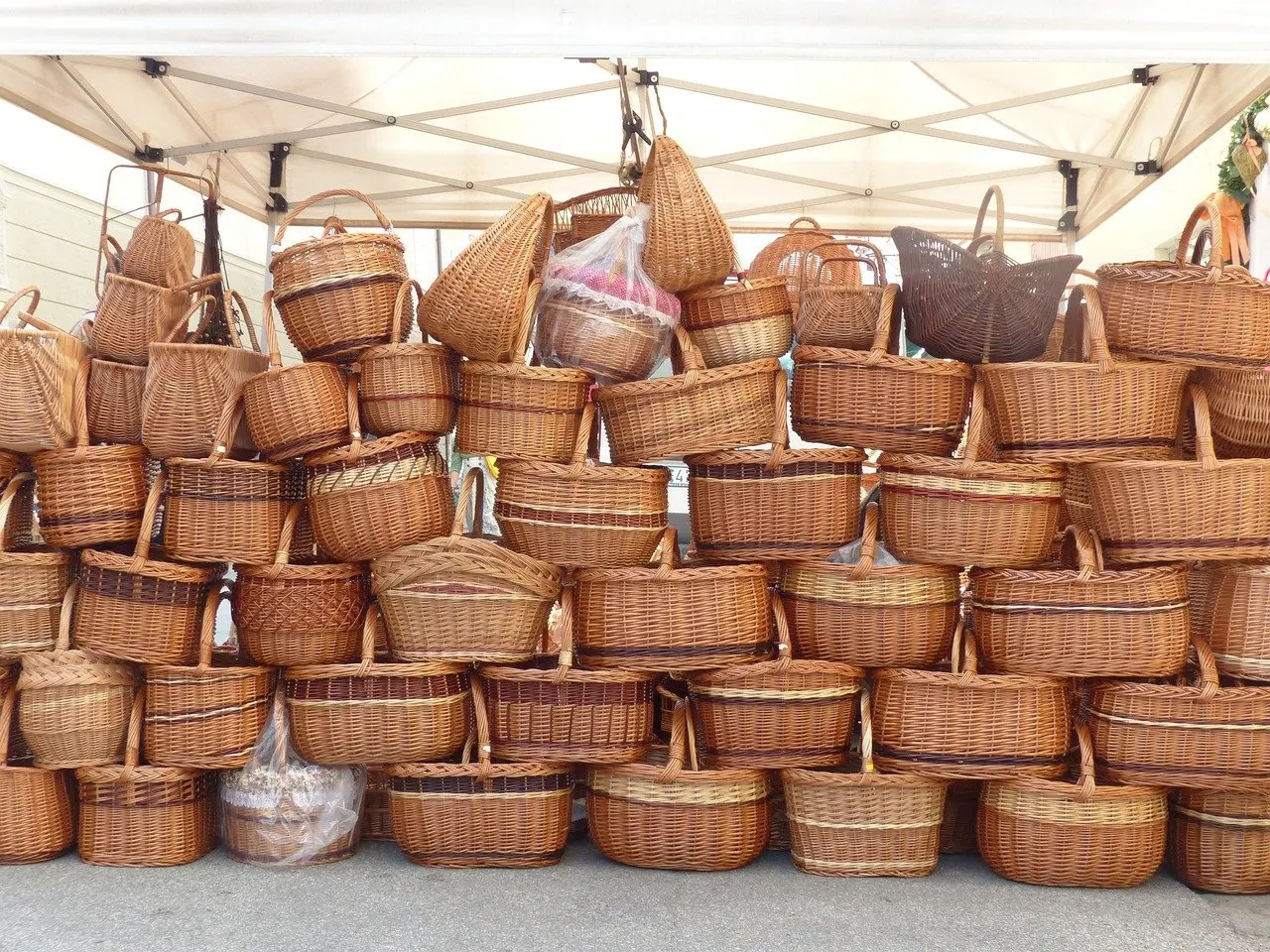
Caplaki has brightly coloured displays with handmade baskets, jewellery with beads, pottery and bright fabrics. It suits buyers who want many stalls in one place. The wide choice also means quality varies, so compare sellers carefully, and bargain with respect. The guide notes that negotiation is common but that a purchase contributes to local livelihoods.
Rwanda Nziza
The same craft market guide says that at Rwanda Nziza all the profits are reinvested in the local economy, and that each product lists the artist. That makes it a good fit for buyers who value a named maker and a stated use of profits.
Gahaya Links network
The Pan-African article reports that sponsorship from USAID forged the cooperative’s link with Macy’s department store and the African craft importer Fair Winds Trading, Inc. This route suits buyers who prefer an established, fair-trade-based supplier to browsing stalls, though it offers less direct contact with weavers.
Comparison of buying options
| Option | What is described | Best suited to | Planning use |
|---|---|---|---|
| Musanze weaving groups | Visits to local weaving groups near Volcanoes National Park; half a day suggested | Buyers who want demonstrations and conversation | Build a half-day into a Musanze itinerary |
| Nyamirambo Women’s Center | Crafts sold; classes and workshops in basket weaving | Buyers who want to try the craft | Combine a purchase with a short lesson |
| Caplaki Craft Village | Handmade baskets, beadwork, pottery and fabrics in Kigali | Buyers comparing many stalls | Compare quality across stalls; bargain politely |
| Rwanda Nziza | Profits reinvested locally; artist listed for each product | Buyers who want a named maker | Use the artist listing to ask about the basket’s story |
The comparison draws on the Self Drive Rwanda craft market guide and the African Wild Trekkers agaseke overview.
Checks that show a seller is fair
A fair seller can tell you who made the basket and let you judge its quality. Use these checks before paying.
- Construction: A well-made basket has tight, even coils, consistent patterns and a secure-fitting lid, according to African Wild Trekkers. Press the lid and turn the basket in your hands.
- Quality across sellers: Craftsmanship varies between sellers, so look at several baskets before choosing.
- The maker’s story: Ask who wove it and which cooperative or group supports them. Rwanda Nziza lists the artist for each product, which shows that a named maker is a reasonable thing to expect.
- Respectful bargaining: Negotiation is common, but the craft market guide reminds buyers that a purchase contributes to local livelihoods. A basket that takes 20 to 40 hours to weave is a poor candidate for a hard discount.
- Fair-trade claims: Where a seller says “fair trade”, ask what standard or certifier backs it. Gahaya Links is described as a for-profit business based on fair trade, which shows that a commercial supplier can operate on those principles.
Frequently asked questions
How long does it take to learn to weave an agaseke?
The basic method can be learned in days, but complex patterns take years of practice, according to African Wild Trekkers.
Why is the agaseke called a peace basket?
The name is tied to the early 2000s, when weaving cooperatives connected local artisans with international buyers. Some of those cooperatives also brought together women from different backgrounds after 1994, per the same overview.
Does the agaseke appear on Rwandan money?
Yes. The Pan-African profile says the peace basket features on the Rwandan currency.
How much time should I allow to visit a weaving cooperative?
Half a day is suggested. That is enough for a demonstration, conversation with the weavers and choosing a basket.
Can I learn basket weaving in Kigali?
Nyamirambo Women’s Center offers classes and workshops in traditional skills including basket weaving, according to the craft market guide.