| Development | Supported detail | Planning use |
|---|---|---|
| Household structure, about 1996 | 34% of households headed by women; 60% of those headed by widows; 54% of the population female | Treat women, and widows above all, as the main earners and decision-makers in any recovery history. |
| Grassroots organising since 1994 | 15,400 women’s grassroots organisations set up | Use associations and cooperatives, not individual businesses, as the unit for tracing livelihoods. |
| Cross-group work | Women reported as more willing than men to join inter-ethnic activities | Mixed-membership groups are a sensible place to look for reconciliation, though the evidence is reported experience. |
| External funding, 1996 to 1997 | Rwanda Women’s Initiative launched in 1996; funding at the end of 1997 was 10% of the amount requested | Do not assume outside money matched need; local organising carried much of the work. |
| Public life, study published 2017 | Nearly 64% of parliamentary seats held by women; some bias against women in power remains | Read political representation as a separate achievement from household income security. |
Figures in the table come from the Forced Migration Review account of women’s reconstruction in Rwanda and the 2017 Globethics study of women’s status after the genocide.
Rwandan women after the genocide rebuilding their lives turned to collective work: about 1996, women headed 34% of households, and grassroots associations became the main route back to income.
This article follows that shift in order, from survival in 1994 to associations, cooperatives and public roles. Current programme detail sits in the hub on women’s livelihoods in Rwanda.
Associations and cooperatives as the income route
The clearest pattern since 1994 is collective organising. Forced Migration Review reports that the Ministry for Gender and Women in Development (MIGEPROFE) promoted women’s grassroots work and supported the organisations, 15,400 of which had been set up since 1994. These were not only farming or savings circles. Their work covered housing, survivor care, literacy and small enterprise.
The count matters for what it measures: organisations, not members, turnover or profit. It shows the scale of organising and says nothing on its own about how much each group earned. Use it as evidence of the route women took, and look for separate income data before judging results.
What the groups rebuilt
- Homes. Women’s associations took part in reconstructing their homes, which made shelter the first practical project for many groups.
- Survivor centres. Groups built centres for survivors of genocide and rape, so care and livelihood work often grew from the same organisations.
- Literacy. Members learned to read and write, a skill that supports record-keeping, trading and later access to credit.
- Local businesses. Associations started small local businesses, which is where the history of cooperatives and the history of household income meet.
Who holds legal rights to the land under rebuilt homes is a separate matter, covered in the guide to women’s land rights in rwanda.
Reconciliation through shared work
Women’s cooperatives are often described as a meeting point across divisions left by the Genocide against the Tutsi. The supported statement is narrower. Forced Migration Review reports that experience had demonstrated women to be more willing than men to become involved in inter-ethnic activities.
That is an observation from practice, not a measured outcome, and it should be read that way. It suggests why reconciliation through women’s cooperatives in Rwanda became a common theme, because shared work gives members a reason to meet that does not depend on talking about the past.
- Choose mixed groups for contact. Where the aim is cross-group cooperation, a group whose members come from different backgrounds is the relevant case to study.
- Keep claims modest. A willingness to take part is not the same as lasting trust, and the record supports the first only.
- Pair work with support. Literacy, skills training and psychosocial centres were part of the same groups’ activities, so shared income work was rarely the only thing holding members together.
Outside funding for restarting income
Women’s groups did not work alone. Forced Migration Review lists international initiatives that included the UNDP Trust Fund for Women, USAID’s Women in Development programme and the UNHCR Rwanda Women’s Initiative (RWI).
What the programmes funded
The RWI was launched by High Commissioner Madame Ogata in 1996, during the mass returns of refugees. It worked across the country in partnership with women’s associations and MIGEPROFE. It supported literacy, education, income generation, skills training and psychosocial centres, which matched the needs the associations were already addressing. Because widows headed most female-headed households, income, literacy and skills projects were relevant to them in particular.
The funding gap
The money did not match the plans. At the end of 1997, funding for the RWI was only 10% of the amount requested. The practical reading is that outside programmes seeded activity rather than financing the whole recovery, so women’s own organising did much of the work. Skills for handling money once income begins are covered in the guide to financial literacy for women in rwanda.
Women’s place in the economy and public life
The 1994 genocide against the Tutsi shaped national policy as well as household life. A 2017 Globethics thesis study states that after the genocide the Government introduced gender equality programmes in its development priorities. The same study reports that Rwanda has the highest proportion of women in parliament worldwide, with nearly 64% of seats.
Representation of that size is a real change, yet it does not measure household income. The study notes that some people remain biased against the idea of women in positions of power, and it points to the need for gender-sensitive norms. It also examines the responsibilities given to women in local government, religious institutions and family decisions, which is where economic roles are negotiated in daily life.
Women also shaped justice. Forced Migration Review reports that women’s accounts aided lobbying to persuade the International War Crimes Tribunal for Rwanda to include rape among the crimes it addressed.
For current economic figures, readers should turn to national statistics and agency reports, such as those of the National Institute of Statistics of Rwanda and UN Women, rather than rely on a historical snapshot. The history here explains the starting point, not today’s position.
Why women headed so many households
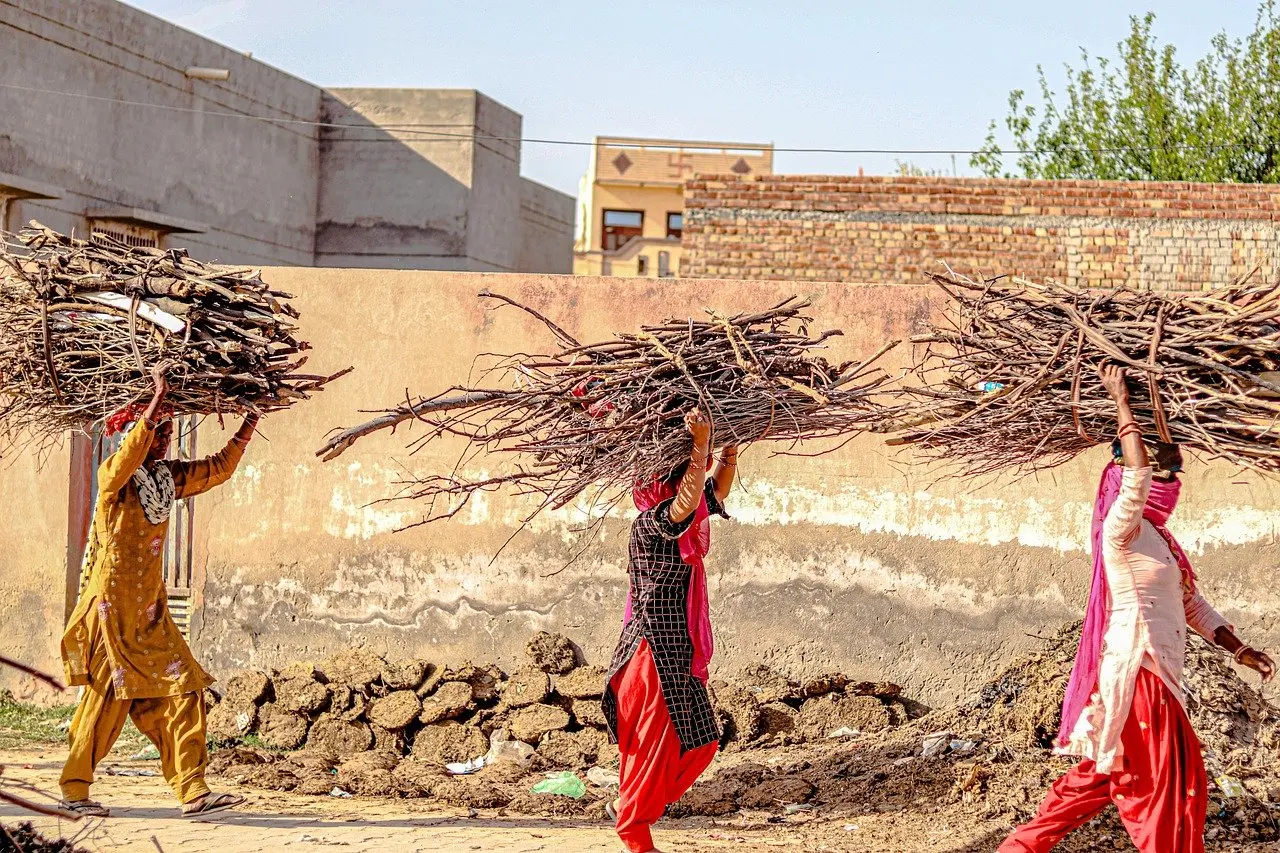
Women headed so many households because widowhood was widespread. Forced Migration Review gives about 1996 figures: 34% of households headed by women, 60% of which were headed by widows, in a population estimated at 54% female. In these figures, the loss of husbands is the largest single route into female headship.
The consequence for livelihoods was direct. A household led by a widow carried both the care and the income burden, with no second earner to cover a poor season. That helps explain why widows’ associations and women’s cooperatives grew quickly: working together was a practical way to share labour, risk and the work of rebuilding.
Frequently asked questions
Why did women head so many households after the genocide?
Widows headed 60% of female-headed households, according to about 1996 figures reported by Forced Migration Review.
What support did widows and survivors receive to restart income?
Women’s associations built survivor centres, ran literacy learning and started local businesses, and the UNHCR Rwanda Women’s Initiative backed income generation and skills training in partnership with them, as Forced Migration Review describes.
How have cooperatives helped women of different backgrounds work together?
Women’s groups offered a shared task, and reported experience is that women were more willing than men to join inter-ethnic activities. This is an observation, not a measured result.
What national figures show women’s economic recovery since 1994?
The nearly 64% share of parliamentary seats reported in a 2017 study shows political change, but neither figure measures income directly.