What is umuganda in Rwanda? It is homegrown communal work that residents convene for regularly, held every last Saturday of the month. Projects follow immediate community needs, so the work differs from place to place.
Umuganda is one of the practices that shape community development in Rwanda. Its fixed monthly rhythm explains most of how it works and what a visitor can expect.
Meaning and origin of the word
Umuganda is translated by the Rwandan government as coming together in common purpose to achieve an outcome, according to the Rwandan community in Ghana’s account of the practice. The same source calls it a homegrown solution in which people in Rwanda convene regularly to carry out communal work. The word therefore names a purpose, not a particular task. That is why the activities can range from construction to cleaning.
The Ministry of Local Government describes Umuganda as an integral part of Rwandan culture that has significantly contributed to national progress. This is an official assessment from the ministry that oversees local administration, and it is best read as the government’s framing of a long-standing communal habit. Readers who want a precise year of formalisation should look to Rwandan legal instruments, because the government accounts used here do not state one.
The monthly routine
Umuganda is held every last Saturday of the month, and the fixed date is what turns occasional goodwill into a dependable routine. The government account of the practice says the schedule is intended to let members of the community take part. A predictable date means households can plan around it, and local leaders can plan work around a known gathering of residents.
Why a fixed date matters
A recurring date removes the need to mobilise people from scratch each time. Residents know when to expect the session, so the work that matters most locally can be scheduled for it. For anyone travelling in Rwanda, the practical consequence is simple: the last Saturday of the month is a community day, and plans for that morning should allow for it. Confirm the start time with a local host or the local authority, because timing is best checked on the spot instead of assumed.
Sector-level sessions
Sessions are organised at local administrative level. The Ministry of Local Government reports on a monthly community service event held in Masaka Sector, Kicukiro District, in the Kigali area. Sectors are the administrative units where residents gather, so the work reflects what that neighbourhood needs, not a single national task list.
Projects communities complete
Communities use umuganda for whatever immediate need they identify, and the documented examples fall into two broad groups: building and environmental cleaning. The table sets these side by side and says what each means for someone deciding how to take part.
| Type of work | What the government describes | Planning use |
|---|---|---|
| Construction | Building of schools and other infrastructure when these are immediate community needs | Physically demanding and dependent on local priorities, so the task on a given Saturday cannot be assumed in advance. |
| Environmental cleaning | Picking up plastic bags and bottles to protect the environment | Easy to join without specialist skills, and the same approach works for communities outside Rwanda. |
| Monthly community service event | A sector-level session in Masaka Sector, Kicukiro District | Shows that the work is organised locally and that residents attend as a neighbourhood. |
These descriptions come from the Rwandan community in Ghana’s account and the Ministry of Local Government news release.
Construction work
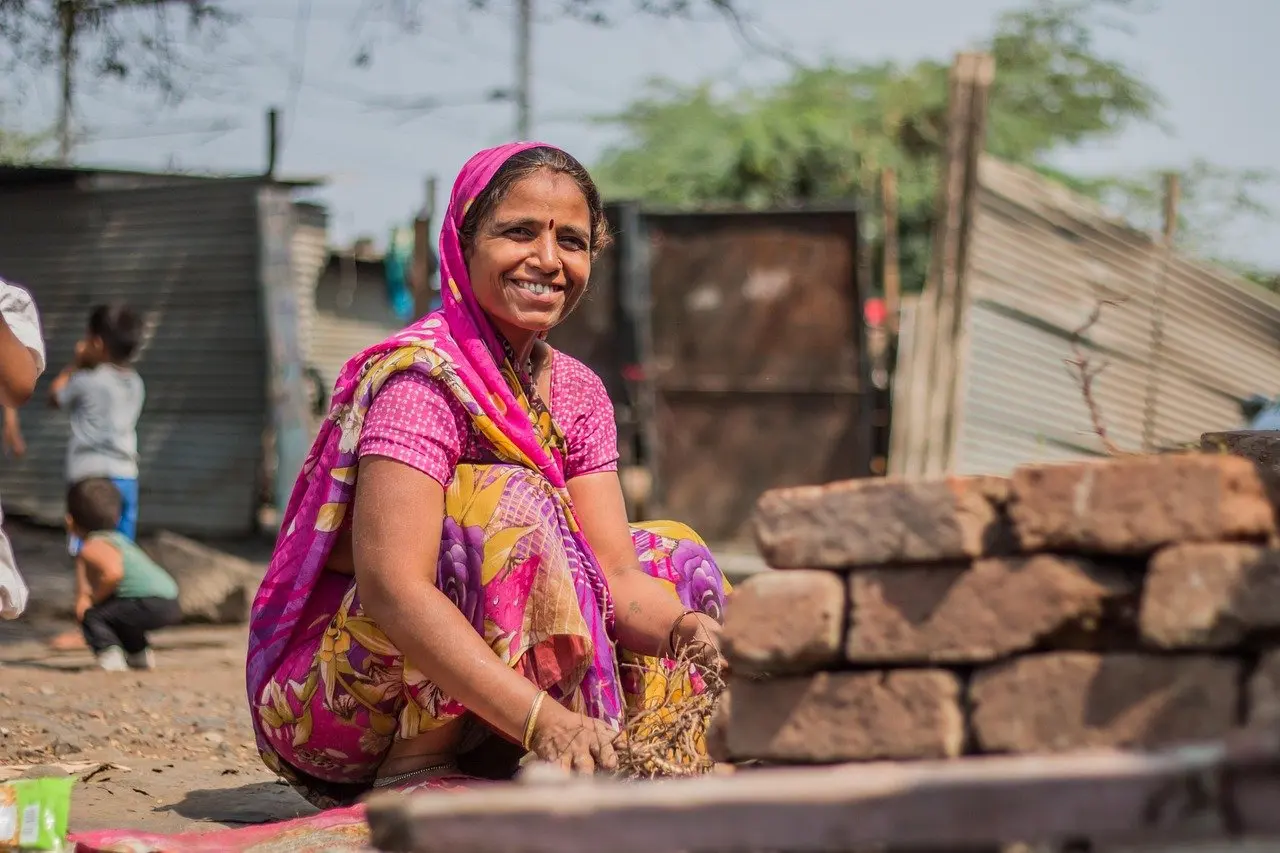
The government account lists the building of schools and other infrastructure among the activities undertaken during Umuganda, with the condition that these are immediate community needs. That condition is important. Construction is not a standing monthly programme everywhere. It happens when a community has decided that a classroom or a piece of shared infrastructure is the pressing priority, and labour from residents is the contribution that makes it possible.
Environmental cleaning
Cleaning is the other documented category. The Rwandan community in Ghana held a community cleaning exercise in which picking up plastic bags and bottles was described as necessary to protect the environment. The example is useful for two reasons. It shows that the practice travels with Rwandans living abroad, and it shows that umuganda can be a short, low-skill task as easily as a building project. Anyone with limited time or physical capacity can still contribute meaningfully to this kind of session.
Guidance for visitors
Visitors are not described in the government accounts as obliged to take part, but guests have joined sessions. On 25 January 2025 the Masaka Sector event in Kicukiro District was attended by residents as well as a delegation from Zimbabwe. That is the documented pattern: guests join alongside residents, usually through a host or an organised arrangement, instead of turning up unannounced.
What to do as a guest
- Ask first. Arrange participation through a host, employer or local authority, so the local leaders know to expect you and can place you in a useful task.
- Plan around the date. Treat the last Saturday of the month as a community morning and avoid fixing tight travel or appointments early in the day.
- Follow the local lead. The task is set by the community’s priorities, so accept whichever job is offered, whether cleaning or building.
- Dress to work. Clothes and footwear you do not mind getting dirty suit both cleaning and construction.
If you prefer to observe instead of working, say so to your host in advance. The monthly event is a community gathering and not a performance, so it is a courtesy to ask how much of it is open to onlookers.

Impact on community development
The Ministry of Local Government treats umuganda as a driver of national progress. Its release frames the practice as a means of finding local solutions that drive Rwanda’s development, and the minister’s remarks encourage continued commitment. The mechanism is straightforward: regular shared labour lets a community address its own needs, such as a school or a clean environment, without waiting for outside resources.
These are official assessments instead of audited measurements, so they are best used to understand how the government positions the practice. Their strength is that the examples are concrete: classrooms and infrastructure on one side, waste collection on the other. Both are visible, local results of residents acting together.
Umuganda also sits alongside other community-level systems. Readers following that thread can compare it with what is imihigo in rwanda, and with ubudehe categories rwanda, which covers how households are grouped for community-level support.
Frequently asked questions
When does umuganda take place?
Umuganda takes place every last Saturday of the month, according to the Rwandan government. Start and finish times should be confirmed locally.
What does the word umuganda mean?
It is translated as coming together in common purpose to achieve an outcome. The meaning stresses shared effort over any specific task.
Do communities only build things?
No. Building schools and other infrastructure is one documented activity, and cleaning, such as collecting plastic bags and bottles, is another.
Can Rwandans abroad take part?
Yes. The Rwandan community in Ghana held a community cleaning exercise as umuganda, showing that the practice is carried beyond Rwanda’s borders.
Is umuganda part of official development policy?
The Ministry of Local Government calls it an integral part of Rwandan culture and a means of finding local solutions that drive national development.