| Area | What is supported | Planning use |
|---|---|---|
| Health insurance reach | Community-based health insurance (CBHI, or Mutuelle de Santé) covers about 90% of Rwanda’s population. | Treat membership as the norm and confirm that every household member is actually registered. |
| Yearly payments | CBHI is funded by government and community contributions, and community members contribute annually. | Set aside the yearly contribution and ask the local office how the household’s record affects it. |
| Local administration | Management is decentralised to district and community levels. | Start with the nearest local office, not a distant one, for questions about household records. |
| Chronic illness | CBHI has moved from primary healthcare to specialised care for chronic conditions. | Households managing long-term illness should ask what the scheme now covers. |
The figures above come from the NCD Alliance’s summary of the Rwanda community health insurance case study.
Ubudehe categories Rwanda assigns to households are a local record, so the practical task is confirming that the entry is correct and knowing which services lean on it.
This guide sits within the wider topic of community development in Rwanda, where household records, local participation and shared services all connect.
What a household category can change
A household category matters because other programmes can use it as a starting point. When a benefit’s terms depend on the category, an outdated or mistaken record can change what a household pays or receives. The effect is usually indirect and slow to notice, which is why a periodic check is worth more than a reaction after a problem.
The consequences fall into a few practical decisions:
- Health cover. Health insurance is the clearest everyday link, because CBHI was created to make healthcare accessible and affordable, particularly in rural areas. A household that is unsure how its record relates to its contribution should ask before the yearly payment falls due.
- Support programmes. Social protection schemes generally need a way to decide who qualifies. If a household expects support, the record is the first thing to verify, since the scheme’s own staff will rely on it.
- Household changes. A new member, a death, a move or a change in income can make the old record inaccurate. A household that has changed is better served by raising it early than by waiting for a service to be refused.
- Neighbour comparisons. Households in the same village can end up in different categories. A neighbour’s experience is a poor guide to your own entry, so check the household’s own record.
The sections below follow the same order: how health insurance shows the stakes, how records are kept locally, and how to check and question an entry.
Health insurance as the clearest example
CBHI shows why a household’s standing in local records is worth getting right. The scheme was initially piloted in three districts and later expanded nationwide, and it now covers about 90% of the population, according to the NCD Alliance case study summary.
Funding comes from government and from community contributions, and community members contribute annually. For a household, that means health cover is a recurring commitment, not a one-off registration. The sensible approach is to treat the contribution as part of the yearly budget and to confirm with the local health centre or sector office how the household’s record is used in setting it.
The scheme has also widened in scope. It evolved from covering primary healthcare to offering specialised care for chronic conditions. A household that stopped paying attention to its cover years ago may therefore be missing options that now exist, particularly if a family member lives with a long-term condition.
Care delivered close to home often depends on community-level workers as well, which is covered in community health workers in rwanda.
How household information is recorded locally
Household classification is a local process, and CBHI offers a useful parallel. A key factor in the insurance scheme’s success is decentralised management at the district and community levels. The same logic applies when a household wants a record corrected: the people closest to the household are the ones best placed to act on it.
Several habits make local record-keeping smoother for a household:
- Keep identification together. Identity documents for every household member should be easy to find, since officials will need them to match a person to an entry.
- Know the household’s composition. Names, ages and who lives in the home should be consistent across the records the household holds.
- Attend community gatherings. Local meetings are where household and community matters are discussed in the open. Community work such as what is umuganda in rwanda also brings neighbours and local leaders together, which makes it easier to learn whom to ask.

Checking a household’s category
A household should check its category through official channels, not through hearsay. Official government service channels and the local administration office are the places that hold the authoritative entry. Which channel suits a household depends on whether it has reliable phone or internet access and how far it is from the office.
- Gather the head of household’s identity document and those of other members.
- Ask the local administration office which channel it uses for category lookups, and whether the query can be made online or only in person.
- Write down the category shown, the date of the check and the name of the person who provided it.
- Compare the entry with the household’s real situation, including its size and members.
- If anything is wrong, ask the same office what the correction route is before leaving.
Someone who cannot go in person can ask a trusted family member or a local leader to help, though the household’s own documents will still be needed. Phone-based lookups suit households that live far from an office, while an in-person visit suits anyone who expects to dispute the entry.

Questioning or correcting an entry
A household that believes its category is wrong should raise it with the local office that holds the record, and should do so with evidence. The details of the review route are set by the local administration, so the office should be asked directly which steps and timeframe apply.
- Bring facts, not opinion. Describe what has changed in the household and bring the documents that show it.
- Ask for the answer in writing. A written note of the outcome protects the household if another service later questions its status.
- Escalate in order. If the first office cannot resolve the matter, ask which office is the next level up, since management is organised in district and community tiers.
- Do not stop paying for services meanwhile. Where a service such as health insurance is involved, a dispute over a record is better settled alongside continued cover than by letting cover lapse.
Social protection and livelihoods
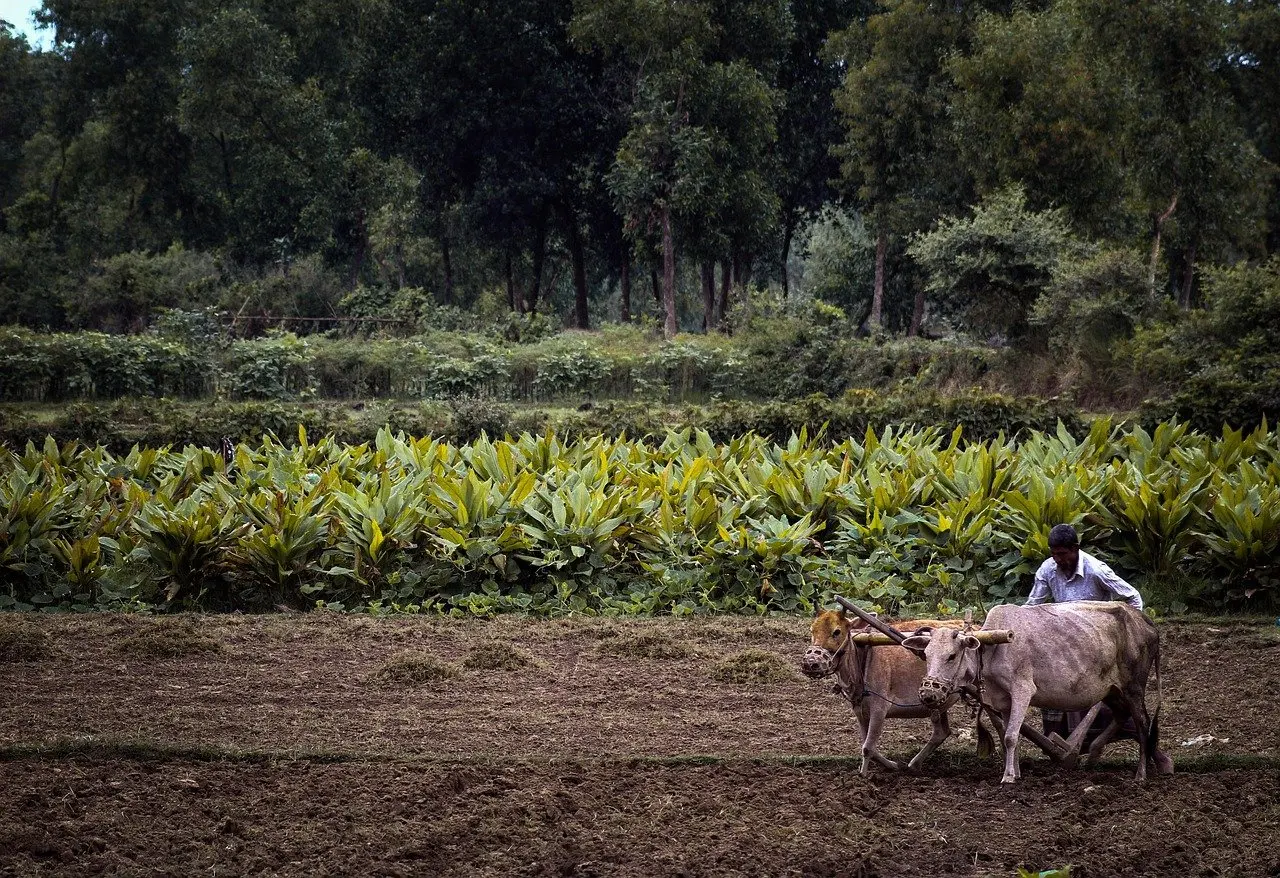
Social protection schemes serve households with the least security, and many of those households depend on small-scale farming. The scheme details differ, but the common requirement is a trustworthy record of who the household is. A household whose income comes from a small plot should expect to be asked about land and household size, and should answer consistently across offices.

Health cover is part of this picture. Because CBHI was designed with rural access in mind, farming households are among those it was built to reach. Knowing the scheme and the record behind it helps a household use both when a poor harvest or an illness strains the budget.
Keeping the record current over time
Classification rules and benefit schemes are revised over time, and CBHI itself grew from a three-district pilot into a nationwide scheme. A household should therefore rely on current official guidance and not on figures or rules remembered from neighbours or from past years.
A simple routine works for most households: review the entry when the household changes, confirm it before the yearly health insurance contribution, and keep written notes of every check. Households with a member who has a chronic condition should pair that review with a question about what the health scheme now covers.
Frequently asked questions
Is CBHI only for rural households?
No. It was created to make healthcare accessible and affordable, particularly in rural areas, and it later expanded nationwide.
Who pays for CBHI?
It is funded by government and community contributions, and community members contribute annually.
Does CBHI cover only basic care?
No. Over time, the scheme moved beyond covering basic primary care and began offering specialised treatment for long-term illnesses.
Is a household’s category the same as its health insurance membership?
No. The category is a household classification record, while CBHI is a health insurance scheme. How the two connect for a particular household should be confirmed with the local office.