| Stage or feature | Shape in the system | Planning use |
|---|---|---|
| Primary school | Nominally 6 years; education is free at this level for all children | The baseline for every child. The main planning question is progression to the next stage, not entry. |
| Junior secondary | 3 years, followed by a national middle school examination | Treat the end-of-cycle examination as the first real checkpoint and prepare for it early. |
| Senior secondary | Fewer than 13,000 of the students who take the middle school examination are admitted | The tightest point in the ladder. Keep a technical or vocational alternative in view. |
| Technical and vocational routes | Competence-based training and assessment; 9 polytechnics sit among tertiary institutions | A practical route toward employment for students who prefer applied learning. |
| Tertiary study | About 50,000 students in a figure dated 2019; admission is competitive | Plan funding and entry requirements well ahead of application. |
| School calendar | The typical school year runs from January to October | Time enrolment, transfers and fee payments around this calendar. |
Figures in the table come from a country education overview and a Kigali master plan education summary, and they are best read as indicators of scale.
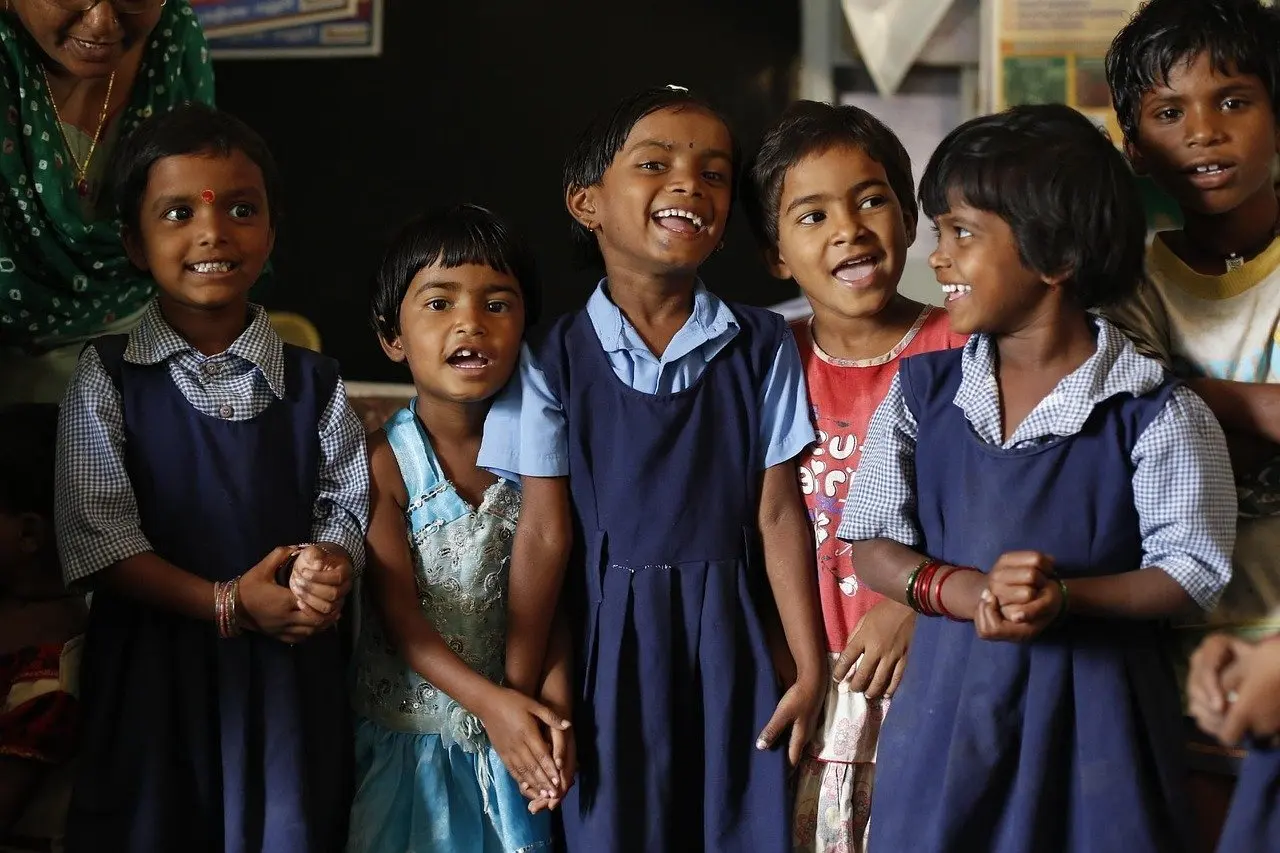
The education system in Rwanda follows a 6-3-3-4 pattern: 6 years of free primary school, 3 of junior secondary, then a competitive gate to senior secondary, with technical, vocational and tertiary routes beyond it.
This guide maps those pathways and shows where each choice leads. Readers who want the structure of the longer basic-education cycle can continue to the guide on 12 year basic education rwanda, while the sections below move from classroom basics to exams, curriculum, skills training, higher study and adult learning.
How the school system is organised
Rwanda’s school system is described as a 6-3-3-4 system, a pattern reported in a Kigali master plan education summary. The first two numbers match the nominal 6 years of primary school and 3 years of junior secondary school given in a country education overview. The Ministry of Education Rwanda is the national authority whose current statistics should be checked before any firm planning, because the counts quoted in this guide are indicators of scale rather than live figures.
Stages and years
The word “nominal” matters here. A nominal length of 6 years for primary school describes the official design of the cycle, and a child’s actual journey can differ. Families should therefore plan around the stage that is being completed rather than the age of the child alone.
The pattern gives a simple way to read the whole ladder. Primary and junior secondary form the early cycle that most children are expected to move through. Entry to the next level is where selection begins. Technical, vocational and university routes then branch from that point.
School calendar and fees
The typical school year runs from January to October, according to the same Kigali master plan summary. That calendar affects enrolment timing: a family arranging a school transfer, a first placement or a move between stages gains the most by acting before January rather than part-way through the year.
Education is free at the primary level for all children, which makes primary the most accessible stage. The practical message for households is that the first stage should not be treated as a cost barrier, so the planning energy is better spent on what follows it. Details of the early years are covered in the guide to primary school in rwanda.
Language of instruction
The school language of instruction is Kinyarwanda at primary level, and then French and English thereafter, according to the country education overview. For families this means that a child’s first years are taught in a language used at home, and a shift in the language of teaching arrives when the child moves up. Parents choosing between schools or planning a transfer should ask how a school supports that change, and the guide to language of instruction in rwanda develops the topic.
Primary and junior secondary: the basic education cycle
Basic education in Rwanda covers the primary years and the junior secondary years that follow, and it is the stretch most children are expected to complete.
Primary school
Primary school is nominally 6 years and free for all children, as reported by the country education overview and the Kigali master plan summary. Teaching begins in Kinyarwanda, so early reading and writing are built in the language children already speak.
The decision at this stage is less about choosing a school type and more about steady attendance and reading progress. A child who reads confidently in Kinyarwanda is better placed for the later move to French and English, since reading skills carry across languages. This is a reasoned expectation rather than a measured result, and teachers at the local school are the best judge of an individual child.
Junior secondary and the basic education label
Junior secondary school lasts 3 years, and the source describes it as the stage for those who are fortunate enough to continue, which signals that access narrows after primary school. In practice, families should confirm local junior secondary availability early in the final primary year rather than waiting for results.
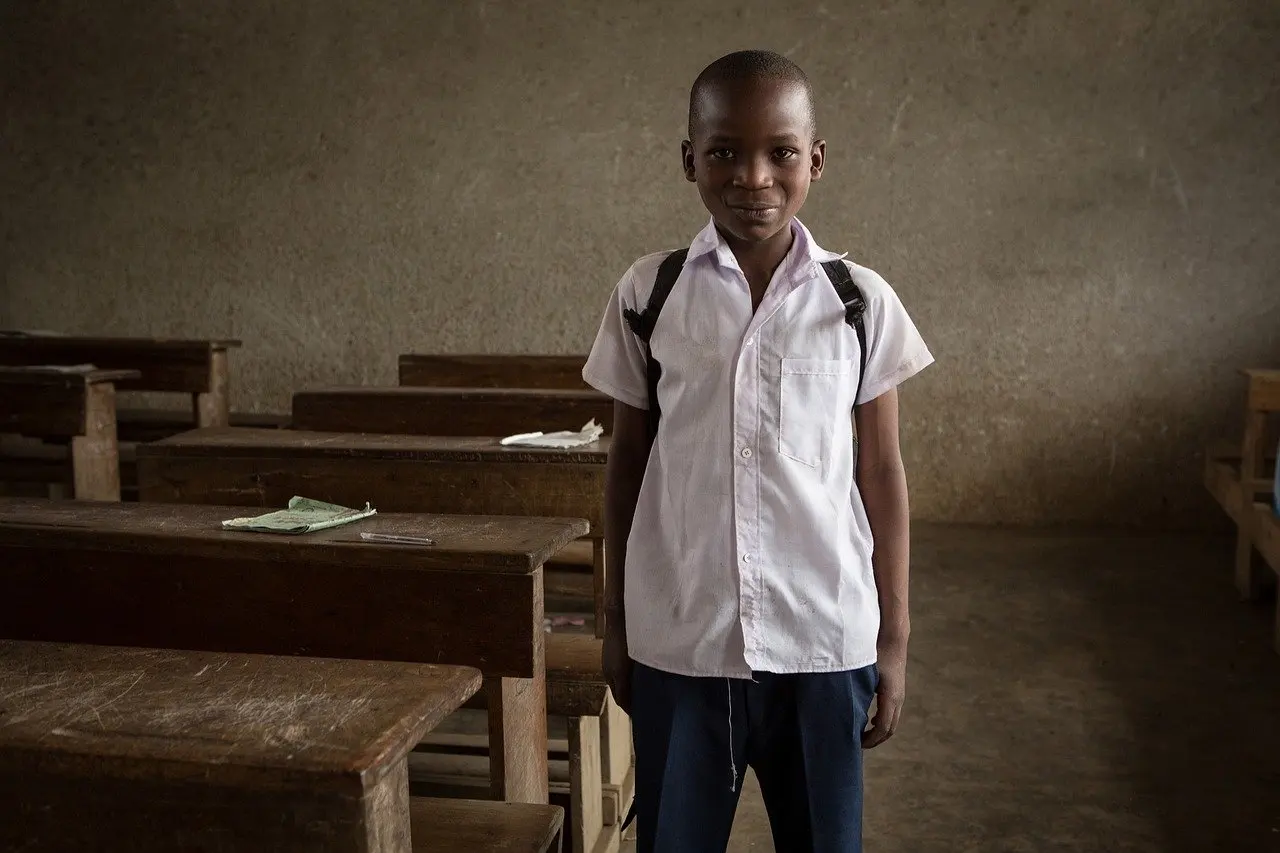
Junior secondary also ends with a national examination, which is where the system turns from entitlement to selection. That examination is the subject of the next section.
Exams and the senior secondary gate
The step from junior to senior secondary school is the most selective point in the schooling ladder. Fewer than 13,000 of the students who take the middle school examination are admitted to senior secondary school, according to the country education overview.
What the numbers say
A Kigali master plan education summary reports that each year 28,000 Rwandan students take the national secondary Education Ordinary Level test, and that students can be admitted into the 734 secondary schools. The same summary states that 30% of students fail any given final exam.
These figures come from different summaries and cannot be safely divided into a pass rate or an admission rate, since they may describe different years and different groups of candidates. The share who fail any given final exam is a reminder that preparation, not just attendance, drives progression.
Turning the numbers into a plan
The sensible response to a narrow gate is to plan two routes at once. Families can prepare a student for the senior secondary examination while also learning what technical and vocational options exist, so that a result below the admission line leads to another structured path instead of a gap. The guide to secondary school in rwanda covers the senior stage in more detail.
Once a place is on offer, there is a further choice between living at school and travelling daily. That trade-off is set out in the guide to boarding schools in rwanda, and it is worth weighing together with distance, family circumstances and the school’s own support for students.
The competence-based curriculum
Rwanda’s competence-based curriculum is an approach that organises learning around what students can do and apply, rather than only what they can recall. A report in the ADEA knowledge hub records the introduction of a competence-based curriculum and Competency-Based Training/Assessment (CBT/CBA) in technical and vocational education.
What competence-based means in practice
In a competence-based system, assessment asks whether a learner can perform a task to a required standard. That differs from a purely knowledge-based test, where the emphasis falls on remembering content. For a student, the practical consequence is that practice, demonstration and applied work carry weight alongside written study.
The same report places this change within a wider national drive. Its framing emphasises creating 200,000 new jobs annually and transforming the economy to reduce reliance on agriculture. Seen in that light, competence-based learning is meant to link classroom outcomes to workplace skills.
How parents and students can use the idea
Families can ask schools and training providers what learners are expected to demonstrate, and how that is checked. A programme that describes clear tasks and standards fits the competence-based approach well. A programme that describes only hours attended gives less insight into what a student will be able to do on completion.
This approach is most visible in technical and vocational pathways, which are covered next.
Technical and vocational education and training
Technical and vocational education and training (TVET) offers a route from school to skilled work, and it is a deliberate part of the national strategy rather than a fallback. The ADEA knowledge hub report ties TVET to the targets of Vision 2020, including a transition from low-income to middle-income status by 2020.
Who TVET is aimed at
In national policy, youth is defined as individuals aged 16–30, and the same report describes them as central to the transformation. That age band is wide, so TVET is not limited to school leavers at a single age. Students who miss the senior secondary gate, those who prefer applied study, and older learners seeking a trade can all consider it.
The decision rule is simple. Choose TVET when the goal is a specific occupation and the student responds well to hands-on learning. Choose the academic senior route when the student is aiming for university-level study and has the examination result to support it. A detailed overview of the sector is available in the guide to vocational training in rwanda.
Institutions and routes
Tertiary institutions include 9 polytechnics and 6 universities of various calibres, according to the country education overview. The same source notes an April 2011 announcement whose core thrust was the establishment of an integrated polytechnic in Kigali. The polytechnic network and its institutions are covered in the guide to rwanda polytechnic.
For readers asking what vocational training options exist in Rwanda, the practical map has three parts. Polytechnics give institution-based technical study. Course-level information, such as which trades and skills are taught, is set out in the guide to tvet courses in rwanda. The training side of the system is explained in the page on workforce development authority rwanda, which helps with understanding how skills programmes are organised and recognised.
Learning on the job
Not every skills route runs through a classroom. Workplace-based learning suits students who need income while training or who learn best by doing. The guide to apprenticeship programs in rwanda explains how these arrangements work and what to ask a provider before committing.
Higher education and funding
Higher education in Rwanda is small relative to the school population and competitive at entry, so it rewards early planning. The following figures give a sense of scale across the system.
| Indicator | Reported figure | Planning use |
|---|---|---|
| Secondary schools | 734 | Shows a broad network, so the limit on progression is places in the senior stage, not the number of schools alone. |
| Ordinary Level candidates | 28,000 students per year | Indicates the size of the cohort competing at the junior-to-senior gate. |
| Senior secondary admissions | Fewer than 13,000 of those who take the middle school examination | Signals the need for a back-up route. |
| Polytechnics and universities | 9 polytechnics and 6 universities | Shows that technical institutions are a visible part of higher study. |
| Tertiary students | Close to 50,000 (a 2019-dated figure) or over 44,000 in another summary | Use as a range for scale, and confirm the current count before relying on it. |
The figures are drawn from a country education overview and a Kigali master plan education summary, which differ slightly on tertiary enrolment.
Entry and funding
Admission to tertiary institutions is competitive, so students aiming for university or polytechnic study should treat final-year results as the key lever. Tertiary institutions enrol students in undergraduate, graduate, certificate and diploma programmes, which means there are entry points at several levels, not only at degree level. Certificate and diploma programmes can suit students who want a shorter, more applied qualification.
Funding is the other planning variable. Students with strong results but limited means should look at available awards early; the guide to scholarships in rwanda explains how to approach them and what to prepare.
Adult learning and literacy
Adult learning sits outside the exam ladder, which makes it the most flexible part of the education pathway. Adults who left school early can return to reading, writing and numeracy without needing a place in the senior secondary gate, and they can then move toward skills training.
Literacy as a first step
The guide to adult literacy in rwanda sets out why basic literacy matters and how learners can build it. For rural women in particular, learning options that fit around farm work and household duties are often decisive, and the page on literacy classes for women in rural rwanda covers what such classes involve.

From literacy to skills
Literacy is rarely an end in itself. Once an adult can read and write with confidence, the next step is often a skills course or an apprenticeship. National policy defines youth as ages 16–30, as noted in the ADEA knowledge hub report, so learners within that band fall inside the group that the technical and vocational strategy focuses on. Adults beyond it can still use the practical routes described above, though policy attention is aimed at the younger group.

Girls and young women benefit from a broader view of this pathway. Keeping girls in school and supporting their progression is a topic of its own, covered in the guide to girls education in rwanda.

Inclusion and school choice
Choosing a school involves more than academic results. Students with disabilities or additional learning needs need to know what support a school can offer, and the guide to inclusive education in rwanda explains the options and the questions to ask. The same applies to the choice between a day school and a boarding school, which depends on distance, household circumstances and the student’s need for study time away from home duties.
A useful habit is to visit or contact a school before accepting a place, and to ask about class support, language support and how students are prepared for national examinations. Those answers say more about daily experience than a school’s name does.
Choosing where to start
The right starting point depends on a learner’s age, current stage and goal. These decision bullets summarise how to use the pathways in this guide.
- Parents of young children: start with primary school, since it is free for all children, and focus on regular attendance and early reading in Kinyarwanda.
- Families of students nearing the end of junior secondary: prepare for the middle school examination, and learn about technical routes at the same time so a lower result still leads somewhere.
- Students who prefer practical work: look at polytechnics and competence-based programmes, and ask what tasks learners must demonstrate.
- Students aiming for university: treat final results as the key lever and check scholarship options well before applications.
- Adults who left school early: begin with literacy classes, then consider skills training or an apprenticeship.
- Families of students with additional needs: ask schools about support before enrolment and compare inclusive options.
Whichever route is chosen, confirm current figures, admission rules and fees with the Ministry of Education Rwanda or the school itself, because national numbers and policies change over time.
Frequently asked questions
How long is primary school in Rwanda?
Primary school is nominally 6 years, according to a country education overview, and education at this level is free for all children.
When does the Rwandan school year run?
The typical school year runs from January to October, as described in a Kigali master plan education summary.
Which languages are used in Rwandan classrooms?
Kinyarwanda is the language of instruction at primary level, with French and English used afterwards, according to the country education overview.
How many students move on to senior secondary school?
Fewer than 13,000 of the students who take the middle school examination are admitted to senior secondary school, so students should keep a technical or vocational option in view.
Is vocational training only for school leavers?
No. National policy defines youth as ages 16–30, as reported by the ADEA knowledge hub, so the technical and vocational focus covers a wide age range.