Inclusive education in Rwanda rests on a national strategy that backs free, universal schooling for all children, plus national standards tested in pilot schools. The strategy itself is thin on implementation detail, so what a learner with a disability receives depends largely on the school.
This guide explains how that policy turns into classroom support, with particular attention to deaf and visually impaired learners. It sits within the wider education system in Rwanda.
How inclusive education policy works in Rwanda
Rwanda’s policy on inclusive and special needs education starts with a broad commitment and then relies on standards, tools and monitoring to give it practical content. According to a review in Enabling Education Review, the National Education Sector Strategy advocates free, universal inclusive education for all children but lacks necessary implementation details. That gap is why the standards described below matter.
The practical consequence is that the policy sets a direction, not a detailed entitlement list. A parent cannot read the strategy and learn exactly which adjustments a school must provide. The more useful documents are the standards, tools and roles that were developed to fill that space.
Who shaped the standards
The same review describes a national steering committee that brought together the Rwanda Education Board (REB), officials from the Ministry of Education and experts from the Kigali Institute of Education. The Ministry of Education Rwanda sets sector direction, while REB works at the level of schools, curricula and inspection. This split explains why policy text and classroom practice can diverge: the ministry sets the framework, and REB and schools carry it out.
The standards, tools, roles and norms came out of an Inclusive Futures project run by Handicap International and VSO from January 2013 to March 2015. The final national version was published in June 2013 at policy, service and community levels. Those three levels give a useful reading order: the policy level states commitments, the service level covers what schools provide, and the community level covers families and local bodies.
From pilot to national standards: the stages
The route from a general strategy to concrete school practice followed a clear sequence. Understanding it shows which parts are tested and which remain aspirations.
- Drafting standards. A national steering committee developed standards, tools, roles and norms across policy, service and community levels.
- Publishing them. The final version appeared in June 2013.
- Trialling in schools. The standards were tried in 24 pilot schools.
- Training staff. Core teachers and trainers-of-trainers were prepared to carry the approach forward.
- Training inspectors. REB inspectors learned to use the standards to assess classroom inclusivity during regular monitoring visits.
The table below turns the pilot figures into planning signals.
| Pilot element | Value | Planning use |
|---|---|---|
| Pilot schools trialling the standards | 24 | Shows the standards were tested in a limited group of schools, so wider availability should be checked school by school. |
| Children with disabilities enrolled in pilot schools | 1,296 (initial estimate 360) | Suggests hidden demand: enrolment exceeded the initial estimate once schools opened to these learners. |
| Teachers rating the standards accurate and applicable | 85% of surveyed teachers | Indicates classroom staff found the standards workable, which supports asking schools to apply them. |
| Core teachers trained | 589, backed by 53 trainers-of-trainers | Shows a training chain exists to keep support going beyond the project. |
| Pedagogical tools designed | 9, including an Individual Education Plan template | Gives families a concrete item to ask a school about. |
These figures come from the Enabling Education Review account of the project, which covers a pilot, not national coverage.
Teaching deaf and visually impaired learners
Deaf and visually impaired children are taught through a mix of individual planning, adapted materials and school-level support such as resource rooms. The pilot work designed nine pedagogical tools, including a template for an Individual Education Plan, and it provided initial equipment for resource rooms, according to the project review.
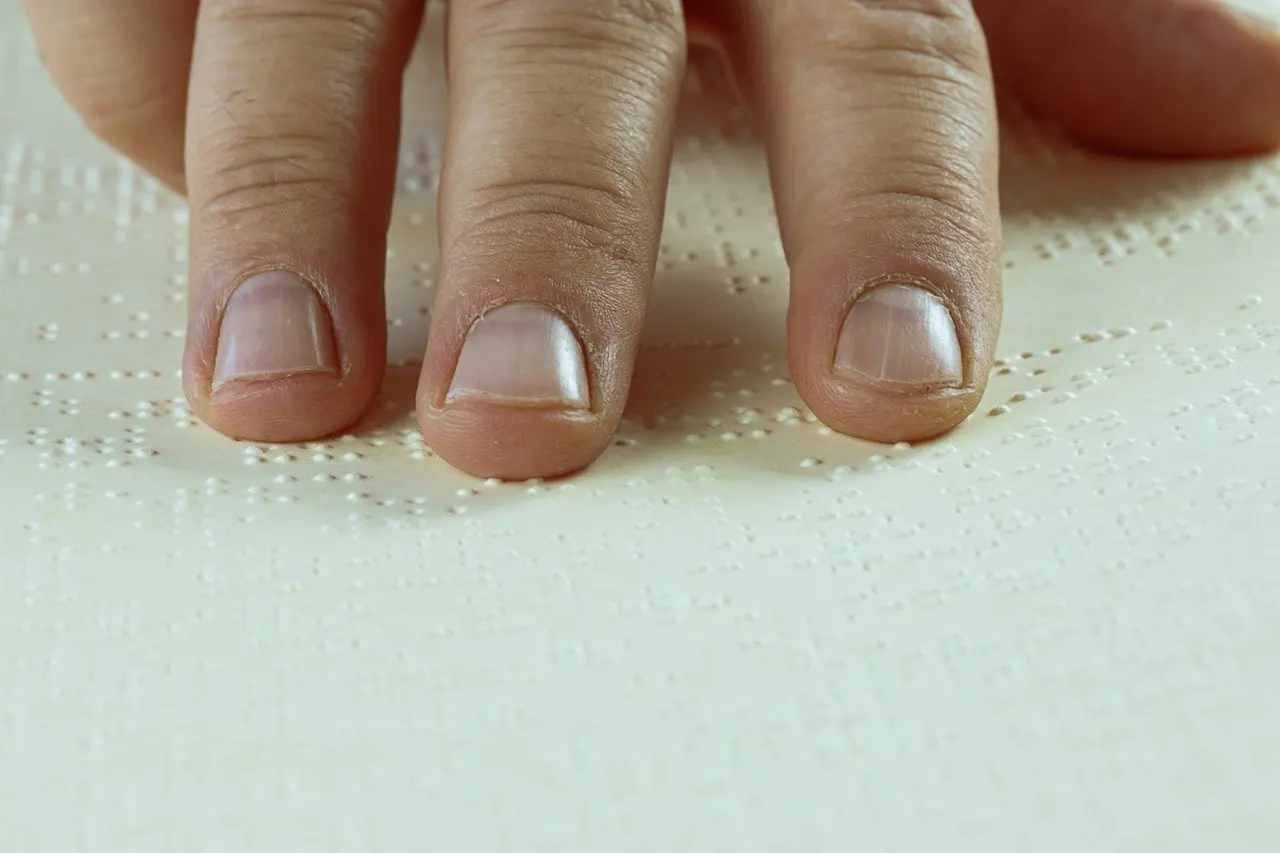
An individual plan is the tool through which a teacher records one learner’s needs and the adjustments agreed. For a visually impaired pupil that can include tactile materials such as braille. For a deaf pupil it is the natural place to record how lessons will be communicated. Families of deaf learners should ask a prospective school directly how lessons are delivered in sign language and which staff members can sign, because a plan template is only as useful as the communication access behind it.
Deaf education and blind or low-vision education tend to need specialist input, which is where special schools and units come in. A study published in a journal of education examined two special needs schools, BSVI and RISH, in Musanze District. Its mixed-methods design combined surveys, interviews and focus groups with teachers, administrators, students and parents, so it captures both the school’s and the family’s view. A single-district case study cannot stand for every school, but it shows that specialist schools remain part of provision alongside mainstream inclusion.
Accessibility and mainstream school obligations
The evidence points to an expectation of inclusion backed by inspection, not to a detailed list of duties for each mainstream school. The strategy advocates universal inclusive education, and REB inspectors were trained to assess classroom inclusivity during regular monitoring visits, as the project review describes. Inspection against national standards is the mechanism that makes accommodation an expectation in practice.
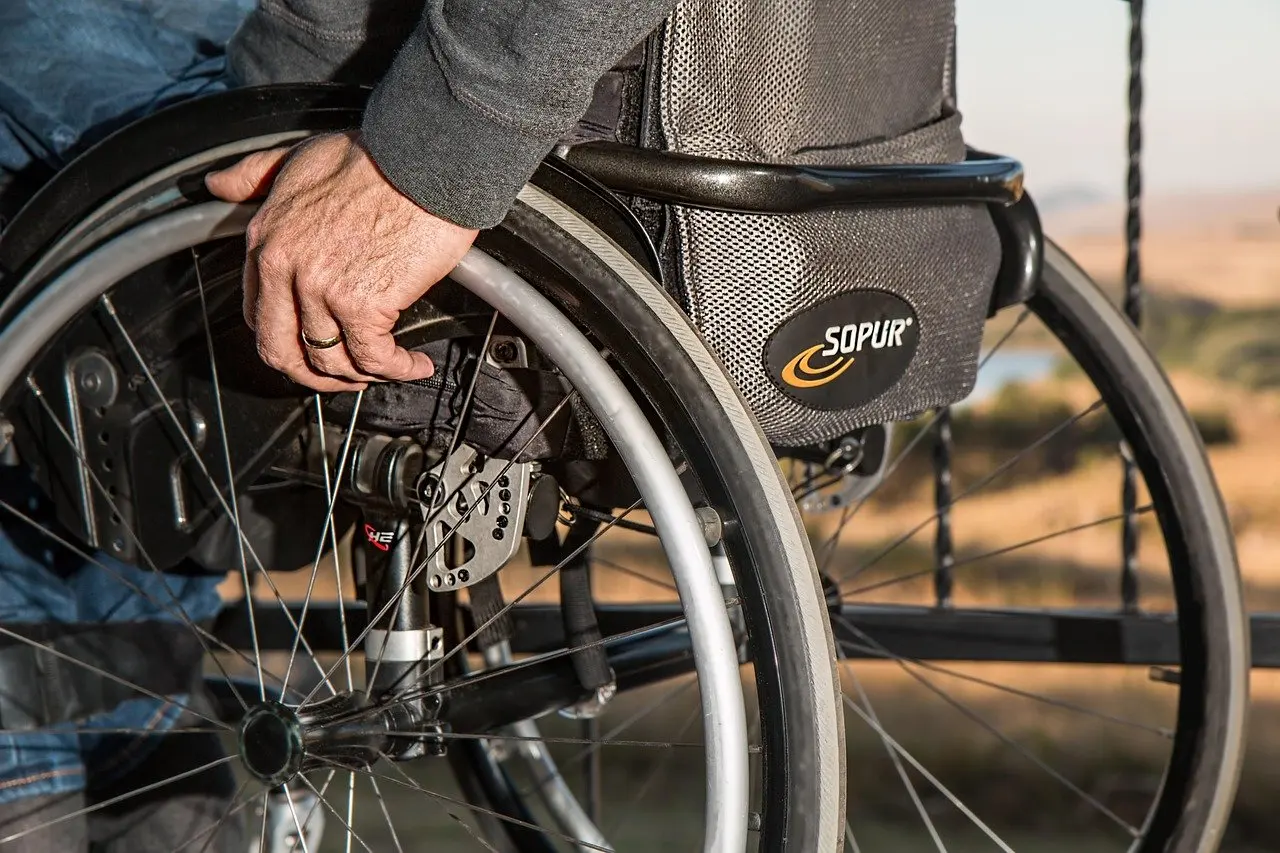
Physical access was part of the pilot work. The project improved accessibility in schools and supplied initial equipment for resource rooms. For a child who uses a wheelchair or other mobility aid, ramps, door widths and the route between classrooms decide whether attendance is realistic, and these are visible on a school visit.
What to look for when visiting a school
- An individual plan. Ask whether the school uses an Individual Education Plan and who updates it.
- A resource room. Check whether one exists and what equipment it holds.
- Physical routes. Walk from the gate to the classroom and toilets, noting steps and ramps.
- Trained staff. Ask which teachers have training in inclusive teaching.
Teacher support and training
Teachers receive support through training chains, shared tools and inspection against common standards. The pilot trained 589 core teachers and set up a team of 53 trainers-of-trainers to continue supporting teacher training, according to the Enabling Education Review. A trainer-of-trainers model spreads skills through cascade training, so schools beyond the pilot can in principle benefit.
Teachers themselves were positive: 85% of surveyed teachers felt the standards were accurate and applicable in their schools. That matters because standards that staff regard as unworkable are rarely followed.

Training is not the only lever
The Musanze District study adds a caution. It found that teacher training, although beneficial, has a relatively smaller impact on educational access than infrastructure and policy support, as reported on the journal page. For families, this means a trained teacher in an inaccessible building still leaves barriers. For school leaders and funders, it suggests pairing training with physical access and clear policy backing.
Enrolment and monitoring data
The clearest enrolment figure in the evidence comes from the pilot: the 24 schools enrolled 1,296 children with disabilities, far above the initial estimate of 360. The project review presents this as evidence that demand was larger than planners expected. It describes pilot schools, so it should not be read as a national count.
Ongoing national tracking depends on monitoring. A joint monitoring and evaluation team was established, with representatives from the Ministry of Education, REB, the University of Rwanda College of Education, Handicap International and VSO. The data collected covered children’s ages, gender and impairments, as well as enrolment and drop-out rates. Drop-out data is especially valuable, because enrolment alone hides whether learners stay in school.
Practical decisions for families
Families should choose between a mainstream school with inclusion support and a specialist school according to the child’s needs, the support available locally and how far the child must travel. A mainstream school with an individual plan, accessible routes and trained teachers suits many learners. A specialist school may suit a child whose communication or sensory needs call for concentrated expertise, such as in deaf education or braille.
If the best specialist option is far from home, residential provision may come into the decision, so compare it with the notes on boarding schools in rwanda. Funding questions are covered in the guide to scholarships in rwanda. Whichever route is chosen, ask for the individual plan in writing and revisit it as the child progresses.
Frequently asked questions
What is Rwanda’s policy on inclusive and special needs education?
The National Education Sector Strategy advocates free, universal inclusive education for all children. National standards, tools, roles and norms for inclusion were published in June 2013 at policy, service and community levels.
Do deaf children attend special schools or mainstream classes?
Both routes exist in the evidence. Pilot mainstream schools used individual plans and resource rooms, while special needs schools such as BSVI and RISH in Musanze District have been studied as specialist provision. Families should ask each school how it supports communication.
Who checks whether schools are inclusive?
Inspectors from the Rwanda Education Board were trained to use the national standards to assess classroom inclusivity during regular monitoring visits.
How many learners with disabilities were enrolled in the pilot?
The 24 pilot schools enrolled 1,296 children with disabilities, much higher than the initial estimate of 360.
What does an Individual Education Plan do?
It is one of the nine pedagogical tools designed in the pilot. The template lets a school record the support planned for a single learner.