| Reader situation | Cooperative type | How income is earned | Planning use |
|---|---|---|---|
| You make baskets or other crafts | Handicraft cooperative | Sale of finished goods made by members | Ask who finds buyers and how orders are shared before committing your time. |
| You grow crops | Agricultural cooperative | Sale of harvested produce, often pooled with other members’ crops | Ask how produce is collected, who sets the sale price and how payment is divided. |
| You want better access to buyers | Collective marketing arrangement | Shared selling of members’ goods | Judge the group by how it reaches buyers, not by its size. |
| You have little starting capital | Savings group, then a cooperative | Small savings and loans first, production income later | Build a savings habit before taking on shared business commitments. |
Craft-cooperative points in this guide draw on a university thesis on the Gashora craft cooperative (COVAGA); the agricultural and marketing rows are general descriptions of how those groups work.
Women’s cooperatives in Rwanda mostly fall into craft, agricultural and shared-marketing groups. Choose by what you produce and how you want to reach buyers, and ask any group for its registration papers first.
These groups are one strand of women’s livelihoods in Rwanda. The sections below are grouped by the situation a woman is likely to be in, so each reader can go straight to the option that fits.
If you make crafts to sell
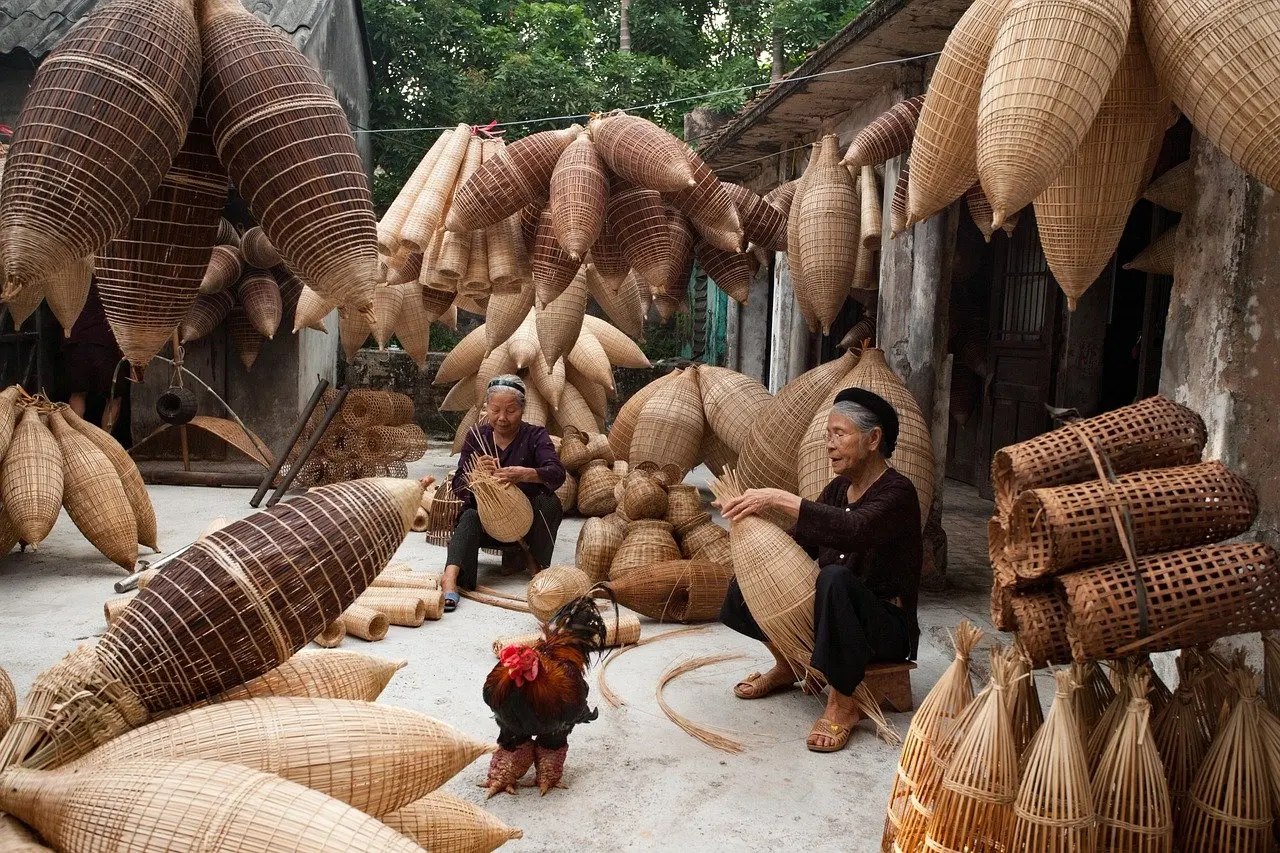
A handicraft cooperative brings women who make goods such as woven items into one group that shares work, materials and selling. It suits women who already have a making skill, or want to learn one alongside others, and who prefer a steady group to selling alone.
Handicraft cooperatives
Income in a handicraft cooperative comes from selling what members make, so earnings follow the quality of the goods and the group’s ability to find buyers. That is the main difference from a farming group, where the product is a harvest rather than something made by hand.
A thesis on the craft-making cooperative of Gashora (COVAGA), covering 2009 to 2011, gives a grounded picture of why women join. Its target population was 112 people, including 100 women members, and the researcher sampled 34 respondents, a 30% ratio. Members described joining for job creation for women who were unemployed, and the household uses they reported included paying school fees for their children and health insurance for their families.
Those findings come from one student study of one group over a defined period. They show what members themselves said they valued, but they do not predict results for any other cooperative, and a new member should not treat them as a promise of income.
Limits to weigh
The same thesis recommends that craft cooperative members diversify their income-generating activities and create new marketing methods. In practice, a group that depends on one product and one route to buyers is exposed if either weakens. Before joining, ask what else the group sells and how many ways it reaches customers.
If you farm or process crops
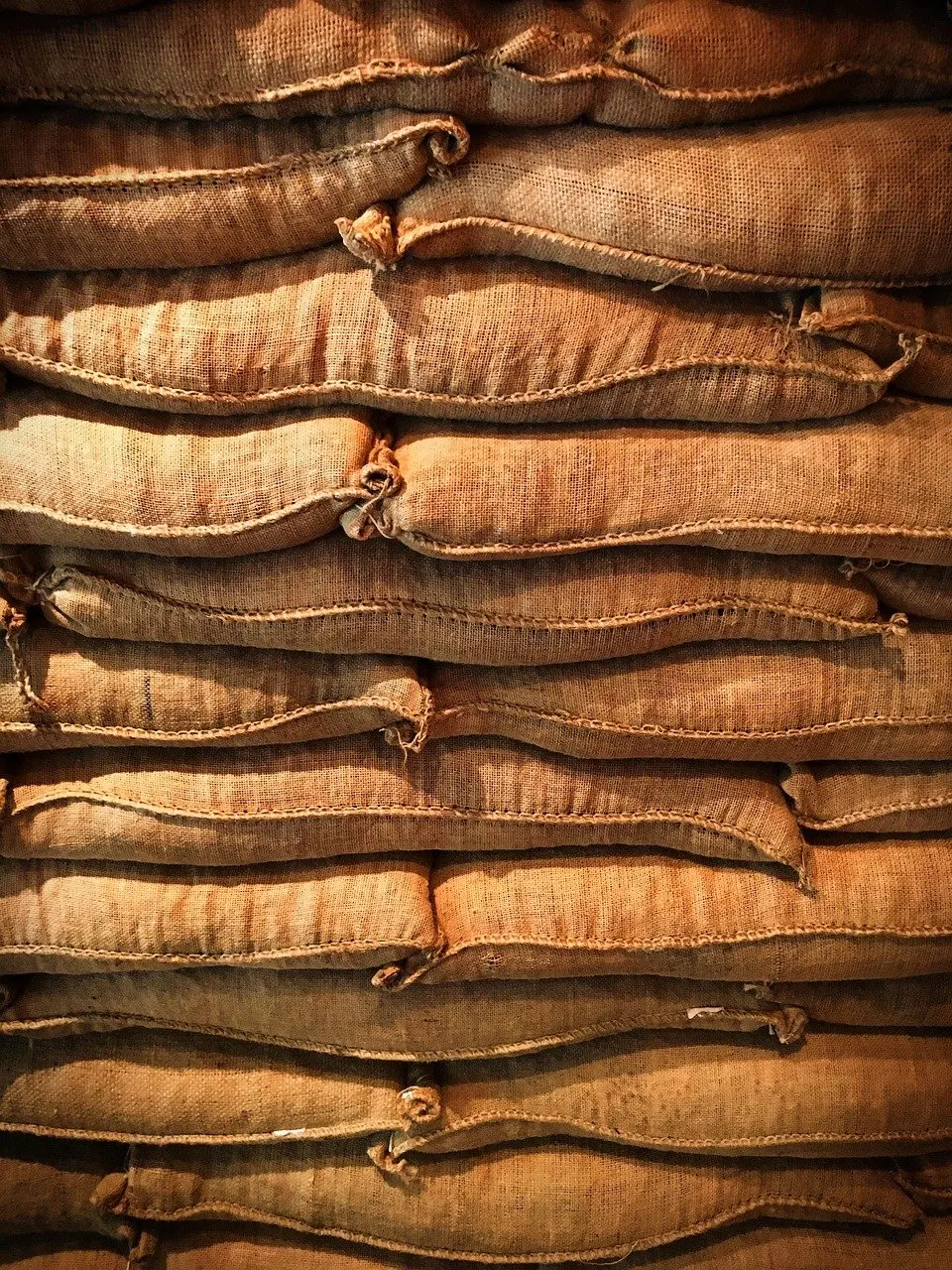
An agricultural cooperative suits women who already grow crops, or who work on processing and sorting harvested produce, and who gain from combining output with others. Its income comes from the sale of what the land produces, rather than from goods made in a workshop.
Agricultural cooperatives
The practical question for a farmer is what the cooperative does after harvest. Some groups simply organise members; others collect, sort and sell produce together. A woman should ask which of these the group actually does, because the benefit lies in what happens between the field and the buyer.
Compared with a craft group, farm income depends on what members grow and how the combined harvest is sold. A craft group depends on what members make and who buys it. Both need a reliable route to buyers, which leads to the shared-marketing question below.
If you want to sell together
Collective marketing means members sell through the group rather than each negotiating alone. It suits women whose main obstacle is reaching buyers, not producing goods, and it applies equally to crafts and crops.
Collective marketing in practice
Pooling goods lets a group present a larger and more consistent offer to a buyer than any single member could. The trade-off is shared control: prices, quality standards and payment timing are agreed together, so an individual member gives up some freedom to set her own terms.
The Gashora thesis points the same way, advising members to create new marketing methods. A cooperative that treats marketing as an ongoing task, rather than a one-off event, is better placed than one that waits for buyers to appear.
If you are not ready for a production group
Some women begin with savings and skills before taking on a shared business. A savings group builds the habit of putting money aside, and a training course builds the skill a cooperative later sells.
Savings groups first
Women with little starting capital can look at village savings and loan associations rwanda as a lower-commitment step. These groups are about saving and borrowing in small amounts, whereas a cooperative is about producing and selling together.
Skills before joining
If you want to join a handicraft group but do not yet have a trade, vocational training for women in rwanda can supply the skill that a craft cooperative later markets. Arriving with a skill generally makes it easier to contribute from the start.
Registration and member decisions
A cooperative that is properly registered and clearly governed gives its members something to rely on. Registration is dealt with through the Rwanda Cooperative Agency, and procedures can change, so ask the agency or your local cooperative officer to confirm current steps rather than relying on a group’s description.

Documents worth asking to see
- Proof of registration: a legitimate group can show its registration papers, and a refusal to show them is a reason to pause.
- Written rules: look for clear statements on membership, contributions and how profits or payments are shared.
- Financial records: members should be able to see how money received from buyers is recorded and paid out.
How decisions are made
Cooperatives rely on members deciding together, so a group that holds regular meetings and keeps written notes of what was agreed is easier to trust than one run informally by a few people.

Benefits and risks of joining
The benefit most clearly supported by the Gashora study is income for women who had no paid work, used for family needs such as school fees and health insurance. Working in a group also gives access to shared effort, which is what makes collective marketing possible.
The risks are mostly about dependence and control. A group relying on a single activity is vulnerable if buyers disappear, which is why the thesis urges diversification. Shared decisions also mean that a member cannot act alone, and weak records or unclear rules can leave her unsure of what she is owed.
- Suits you if: you have a skill or harvest to contribute and want help reaching buyers.
- Wait if: the group cannot show registration, written rules or financial records.
- Choose something else if: you need to build savings or a trade first, in which case start with a savings group or training.
Frequently asked questions
| Question | Answer |
|---|---|
| What are the benefits and risks of joining a cooperative? | Benefits reported by craft cooperative members in one study included job creation for unemployed women and money for school fees and health insurance. Risks include relying on a single income activity and having less personal control over shared decisions. |
| How do handicraft and agricultural cooperatives differ in how they earn income? | A handicraft cooperative earns by selling goods its members make. An agricultural cooperative earns by selling produce that members grow, often gathered together before sale. |
| What should I check before joining a women’s cooperative? | Ask to see registration papers, written rules and financial records, and confirm current registration steps with the Rwanda Cooperative Agency or a local cooperative officer. |
| Does the Gashora study show what any cooperative will earn? | No. It examined the COVAGA craft cooperative between 2009 and 2011 and reflects what its members reported, so it is a reference point rather than a forecast. |